WRITTEN BY ISOBEL
ON THE SOUTH PACIFIC EXPEDITION FROM AUCKLAND TO BAY OF ISLANDS
Where did the estimated 171 trillion plastic particles that are now floating in the world’s ocean come from in the first place? How do they ‘escape’ and end up in our sea?
To understand this journey to the ocean, this mission will be using the University of Georgia’s Circularity Assessment Protocol which gathers data on how plastic is flowing in and out of a community. This involves three pillars of research. 1) water sampling of plastic in the sea 2) sampling of litter plastic in urban areas and on beaches 3) surveyal of plastic products on sale to consumers. We will then be doing some scientific detective work to match the types of plastics seen in the water with those escaped on land and their original products to map a pathway from source to sea.
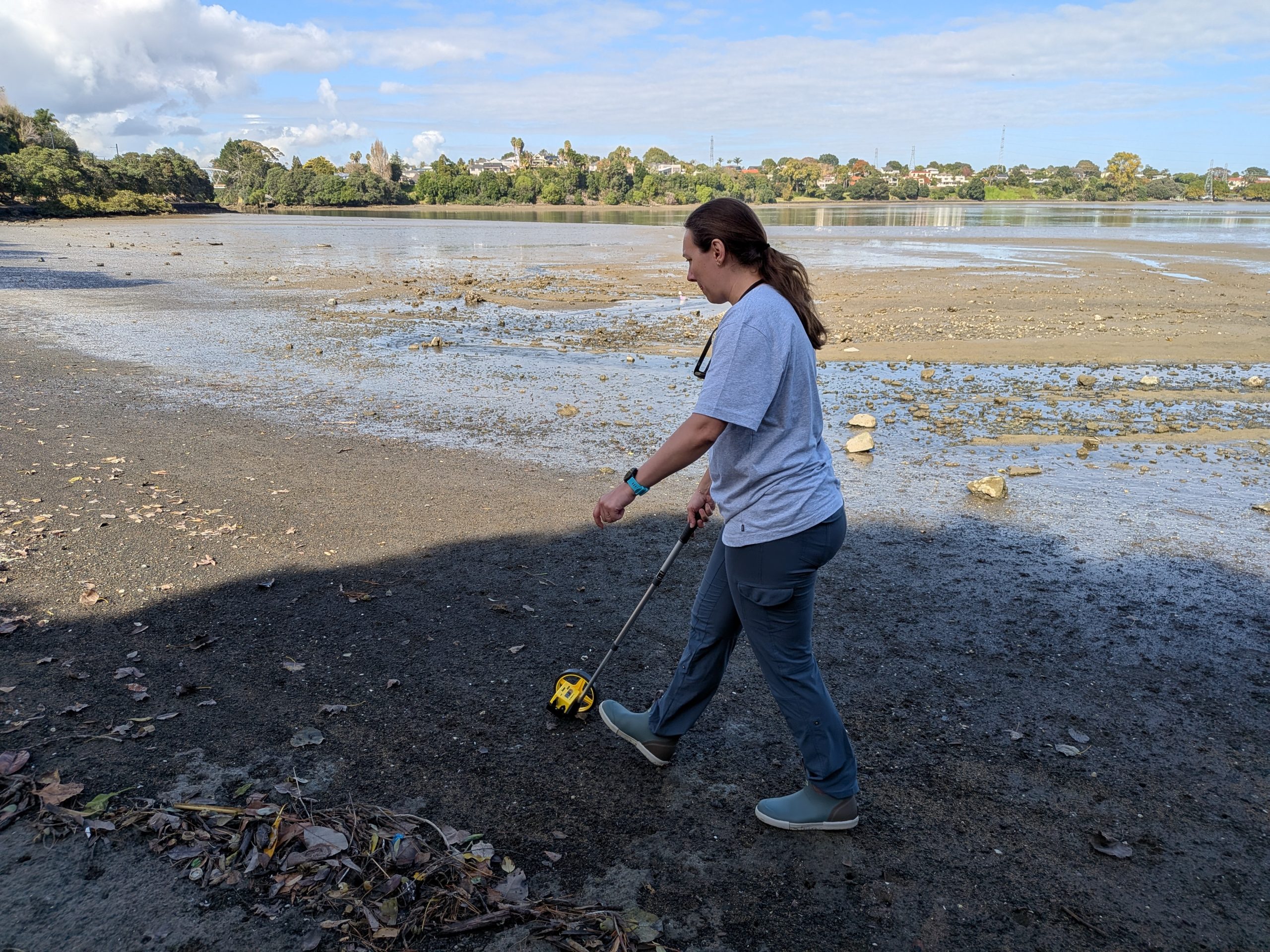 Photo credit: Zheng “Jinger” Zeng
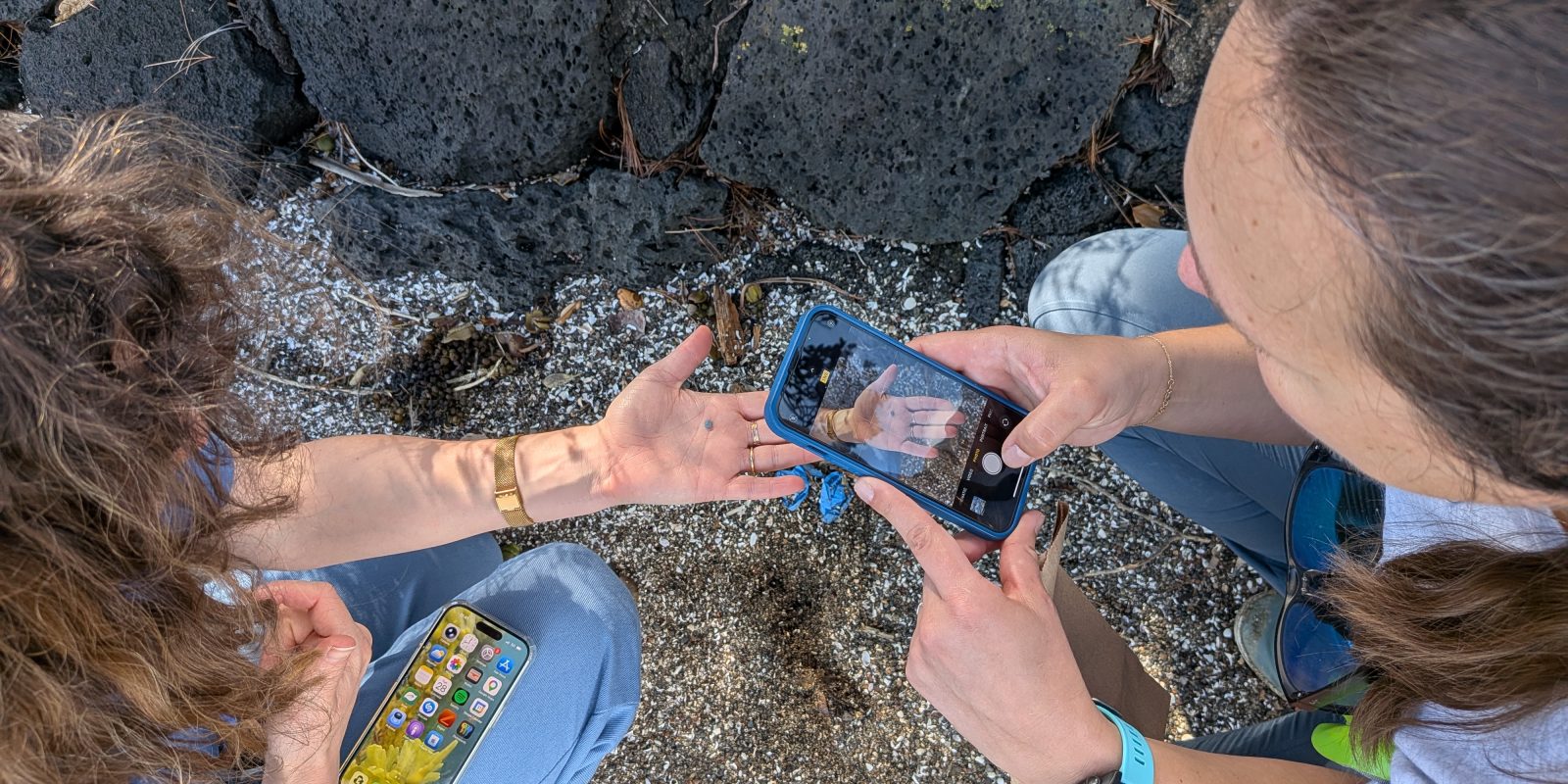
Our initial focus has been on land, and for the past three days we have been collecting samples from Auckland around different urban areas and beaches. We created multiple transects and using the UoG’s app Debris Tracker. From this, we put a number of samples into paper bags to be analysed for plastic polymer identification on the boat using the Fourier Transform Infra Red (FTIR) provided by PerkinElmer, our Science Partners.
 Photo credit: Sibel Bulay
While Auckland is incredibly clean, we still found a few crisp packets, Nurdles, fabric, foam and cigarette ends. We even found an escaped aquarium plastic little tree!
To build a picture of where these escaped plastics might be coming from, we also visited shops and food vendors to see the packaging used for takeaway food and drinks, and consumer items sold like chocolate, drinks and crisps. Auckland has an amazing policy which from 2023 banned many single use plastic items such as cutlery, bowls and produce bags. This aligned with a national ban too.
Our next stage will be on the water, setting sail for Aotea Great Barrier Island!
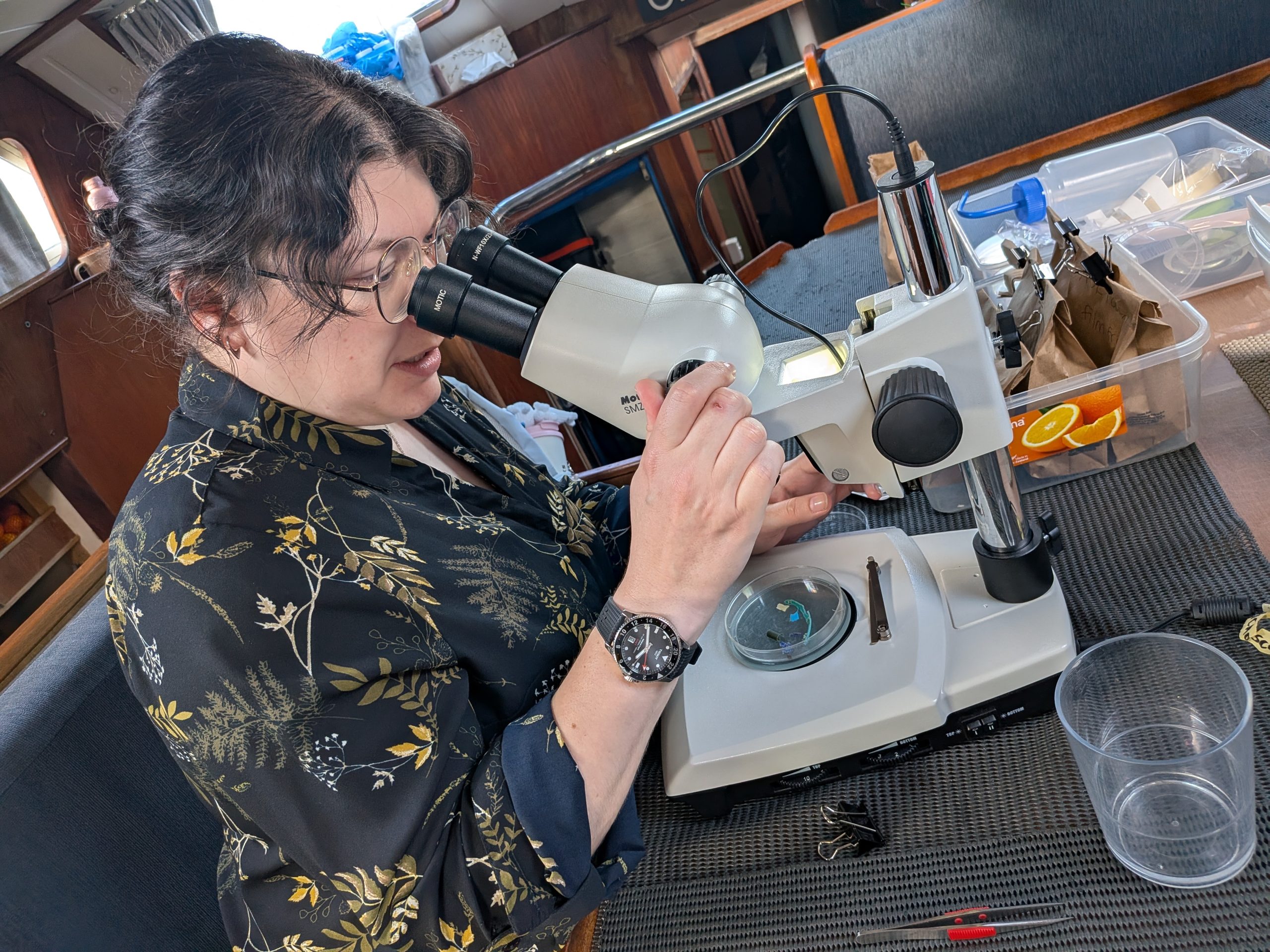
Photo credit: Zheng “Jinger” Zeng
