WRITTEN BY RIKE
ON THE SOUTH PACIFIC EXPEDITION FROM TONGATAPU TO VAVA’U
After a beautiful sunrise on the go, we completed three rounds of trawling to collect water samples from the ocean. Based on our first impression, we found far more natural material than plastic, which was a promising finding that would later be confirmed under the microscope.
Shortly afterward, we reached the island group of Ha‘apai and made our way to Pangai. We split into three groups to cover different areas of the island: port transects, coastal transects, litter transects along the way, and store surveys (at the few stores we found that were open).
Our group of four focused on five litter transects on the way to the beach, giving us the opportunity to observe the more residential areas of Pangai. What really stood out was the presence of household bins at nearly every home, while there were no public bins (except in the port area). We actually found quite a lot of plastic along the roads, some of which may have been blown out of household bins.
On a small road leading to the beach, we found many different types of waste: cans, clothing, utensils, shoes, and various plastic items. The entire route to the beach was lined with litter, yet again without any bins in sight. We thought it might be an area where waste is dumped, as the road did not seem to be used very often.
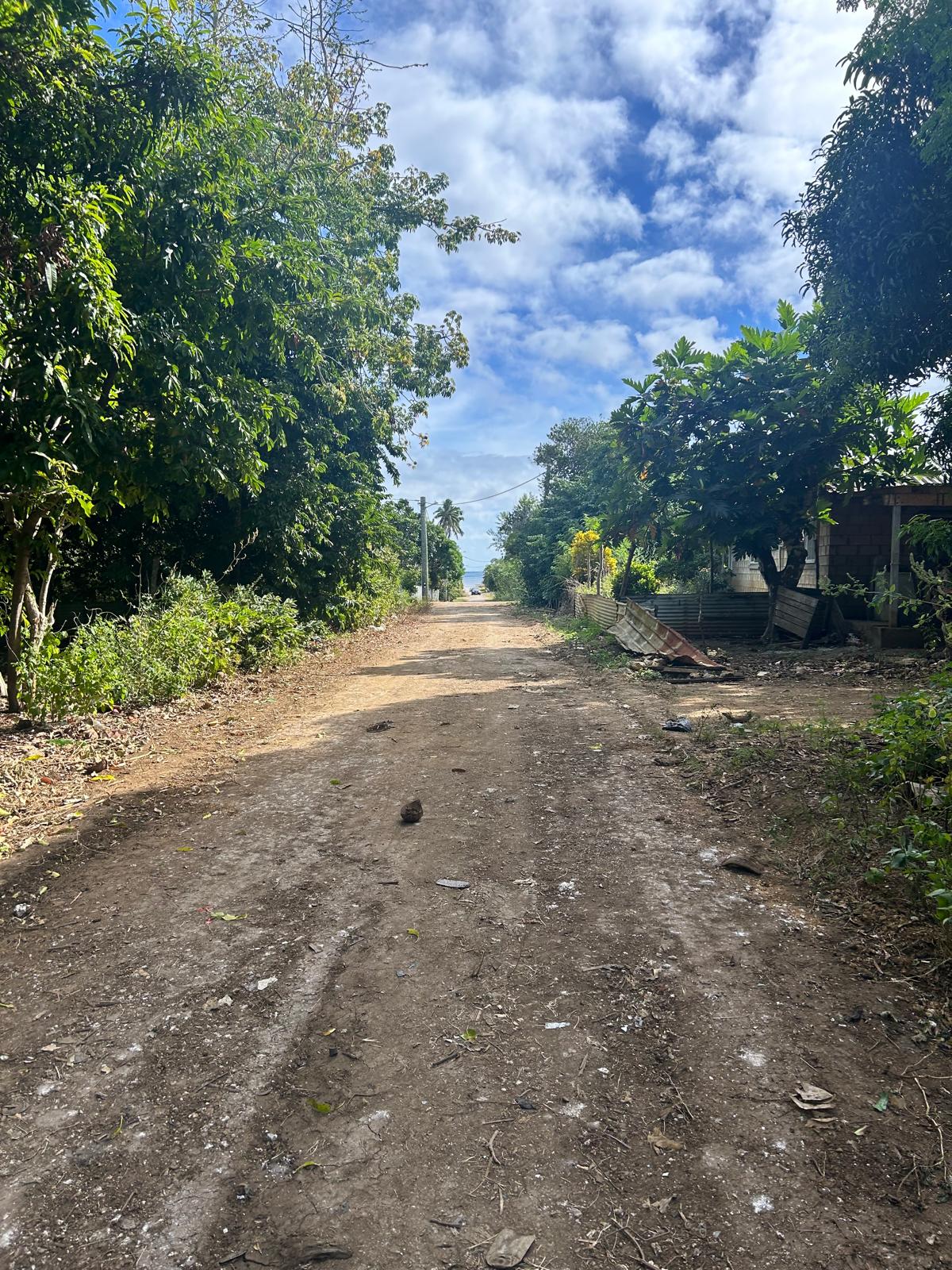
Photo credit: Rike Blomer
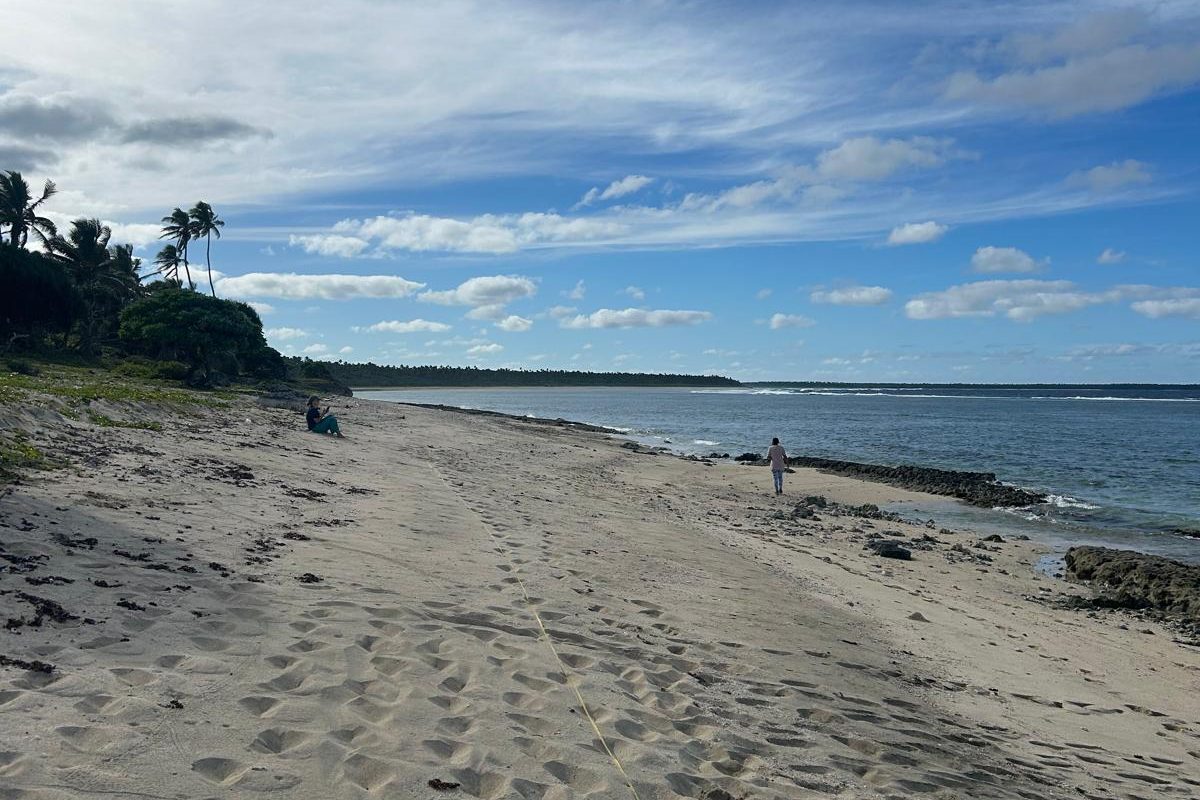
On the beach itself, both the water and the sand appeared quite clean, with only a few fragments that we recorded. In contrast, the upper part of the beach, with its vegetation and trees, contained a considerable amount of waste. Therefore, we assume that much of this waste has not yet made its way into the ocean, making it especially important to address the issue now and prevent it from entering the marine environment.
