Since 2014, eXXpedition has been taking teams of multinational, multidisciplinary women to sea to contribute to world-changing scientific research.
These previous voyages demonstrated the many different ways plastic pollution enters the ocean and that there’s no one-size-fits-all solution. We identified an urgent need for place-based, context-specific data to drive local, tailored solutions.
In this next phase of research, eXXpedition will seek to fill critical gaps in our understanding of locally-specific data on a global scale. The purpose of this is to build a really clear picture of the flow of plastic – into, through, and out of communities. This in turn will help pinpoint the most impactful solutions.
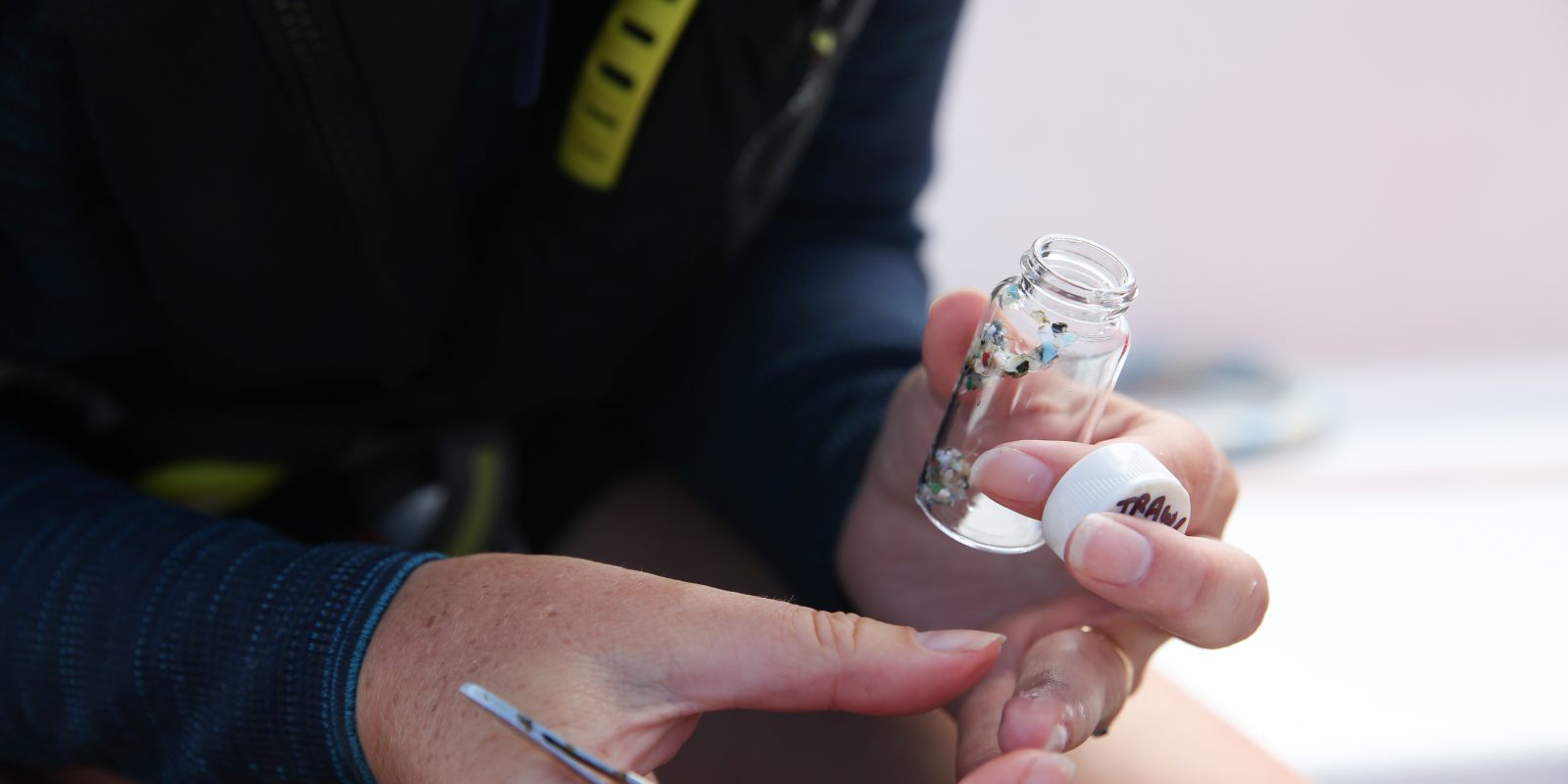
Guest crews will collect and analyse microplastics in surface ocean water and identify polymer types. On land, the team will complete the picture by conducting investigations into litter, consumer goods and waste management infrastructure. They will also work with local experts to gather further insight.
All the data we gather from land and sea will be openly available to help prioritise prevention, cleanup and policy interventions.
Led by University of Georgia
Our scientific programme is lead by Professor Jenna Jambeck, Distinguished Professor in the College of Engineering at the University of Georgia and Circularity Informatics Lab and her team members Kathryn Youngblood and Taylor Maddalene. We collaborate closely with local research partners in each region of our expeditions.
The expedition science will follow the Circularity Assessment Protocol (CAP). This model – pictured below – provides data for local, regional, or national policy and decision‐making to reduce waste getting into the environment, while increasing circular materials management.

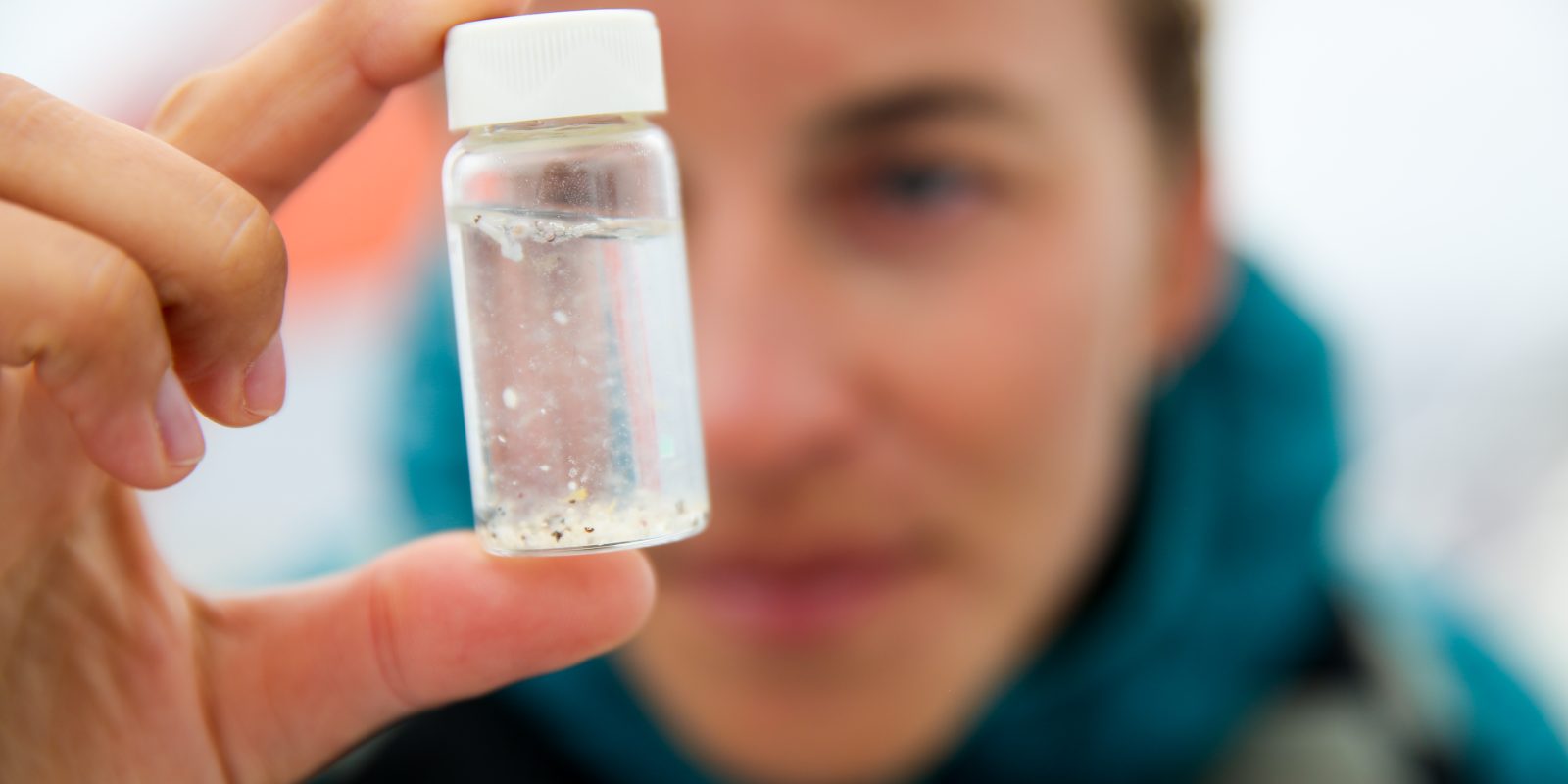
MICROPLASTICS IN WATER
What is the characterisation of microplastics in surface water in key ocean basins?
This project aims to generate a comprehensive worldwide assessment of the distribution of microplastics in surface waters, relating these to global ocean currents, and can therefore provide an assessment tool to consider which areas may be most vulnerable to pollution by microplastics.
SURFACE WATER SAMPLES
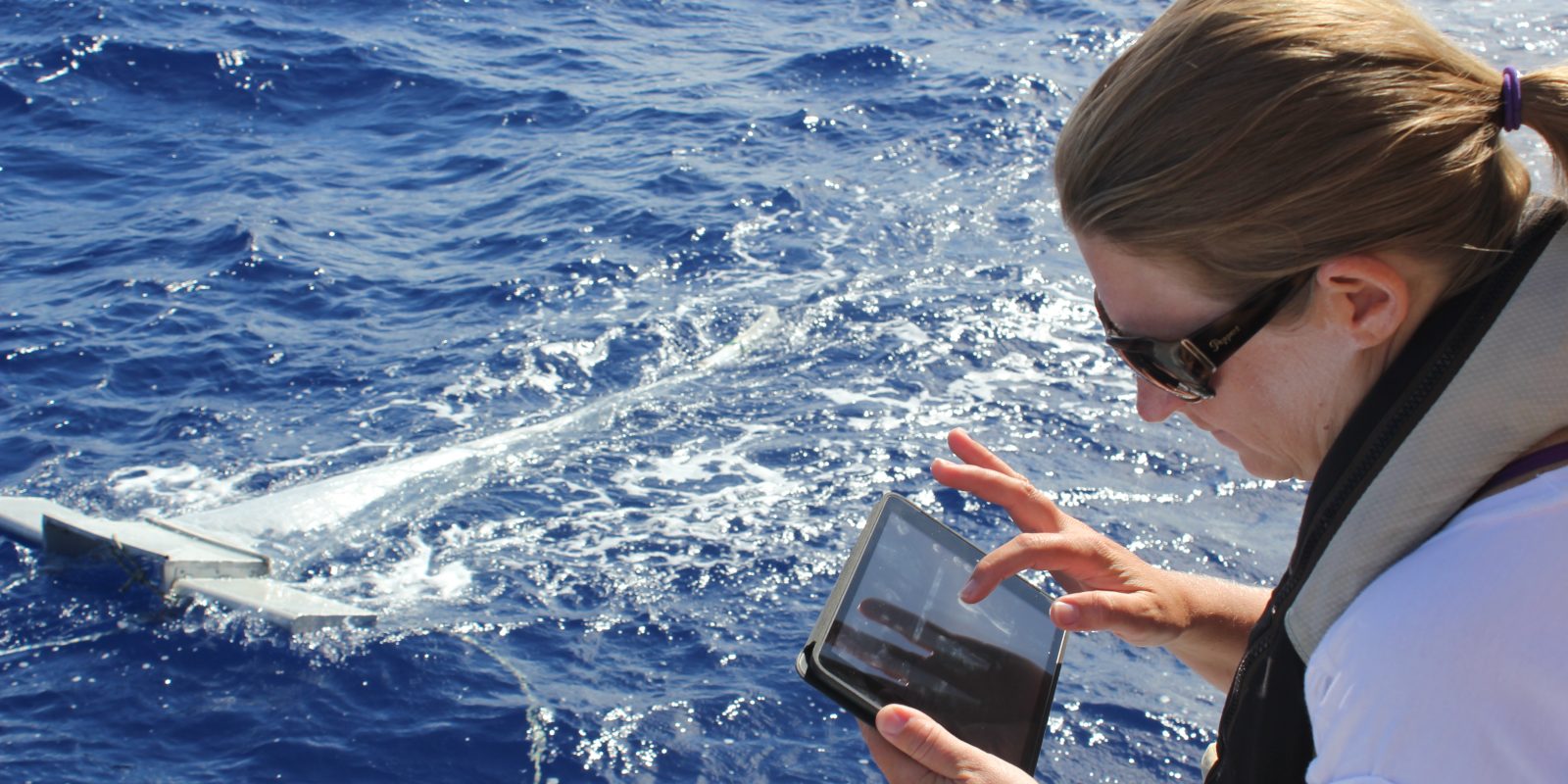
We will collect samples of microplastics in surface water using a manta trawl net from the vessel in the ocean surrounding each location. We will conduct at least three 30-min trawls of the surface water for each day at-sea. Microplastic samples will be filtered, separated, and analysed onboard.
MICROPLASTIC VISUAL ANALYSIS FOR FORMAT AND COUNT
Following sieve filtering, we will conduct visual assessments of the collected microplastics using a dissecting microscope. This will include a count for foam, film, fragment, monofilament line, fiber/string, and pellets.
FTIR ANALYSIS FOR POLYMER TYPES OF MARINE MICROPLASTICS
Each plastic fragment that is identified through the visual analysis will go through onboard FTIR analysis for polymer characterization.
Litter along the coast & on land
What is the characterisation of litter found along coasts and on land in expedition locations?
Local litter assessments help determine 1) what products are entering the environment, 2) how products end up in the environment, and 3) how we prevent that happening.
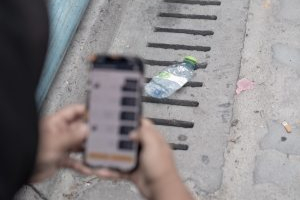
RANDOMISED SURVEYS OF ON-LAND LITTER DATA USING DEBRIS TRACKER APP
We will use sampling maps to conduct on-land litter transects. This involves pairs walking 50m and documenting the litter they see using the Debris Tracker app. There will be a minimum of five 1x1km sites in each location, with 25 litter transects in total (five in each site). Representative samples of plastic litter fragments will be put through FTIR analysis. Where possible, we will engage local partners to ensure representative activity is covered.
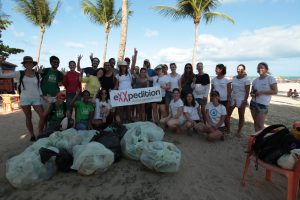
BEACH/COASTAL LITTER TRANSECTS, BEACH CLEANUPS, AND COMMUNITY ENGAGEMENT
We will conduct litter surveys for at least three coastal/beach locations in each area. Where possible, we will undertake beach cleanups with the local community and collect data on the types of litter that are found. Location and disposal of litter collected is up to local partners. Representative samples of plastic litter fragments will be put through FTIR analysis.
Products & waste management in communities
What materials, brands, and formats are sold? What innovations are found in alternative materials and reuse? What does solid waste management look like?
Understanding the products available to consumers and the waste management infrastructure available to handle those materials is critical to optimising circular systems. Combining this data with the litter and microplastic data creates a clearer picture of problematic plastic items, their sources, and what interventions will be most impactful.
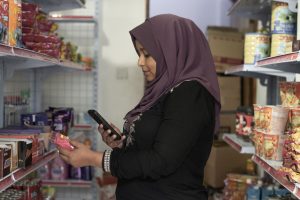
VISUAL SURVEYS IN GROCERY STORES FOR MATERIALS, FORMATS, BRANDS, AND ALTERNATIVES
We will conduct surveys in at least three convenience/grocery stores in each location. These will be visual surveys of brands, material types, and formats of common convenience items (e.g., beverages, candy, chips), as well as identifying any alternatives to single-use plastic and reuse/refill options that are available. Data will be entered using a GIS app on team members’ phones. A subset of items will go through FTIR analysis.
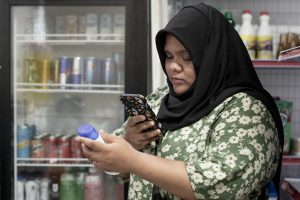
ASSESS FOOWARE TO-GO ITEMS
We will conduct surveys in at least three restaurants/food vendors in each location. These will be visual surveys of the material type of common to-go foodware items (e.g., food packaging, cups, straws, utensils), and data will be entered using a GIS app on team members’ phones. A subset of items will go through FTIR analysis.
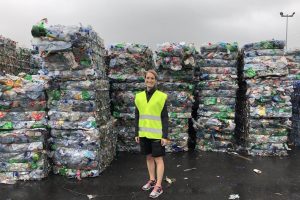
PHOTOGRAPHIC SURVEY OF WASTE MANAGEMENT
To the extent possible, we will photograph waste management infrastructure that we see while onshore (e.g., waste bins, recycle bins, burn piles, clogged storm drains). We will also visit a solid waste management facility, if possible (e.g., dump, landfill, recycling center), based on guidance from local partners.
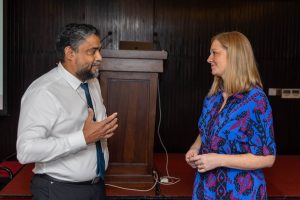
INTERVIEWS WITH LOCAL EXPERTS
Quantitative data will be contextualized through discussions with local experts and knowledge holders held in advance of and during the expedition.
Science Partners