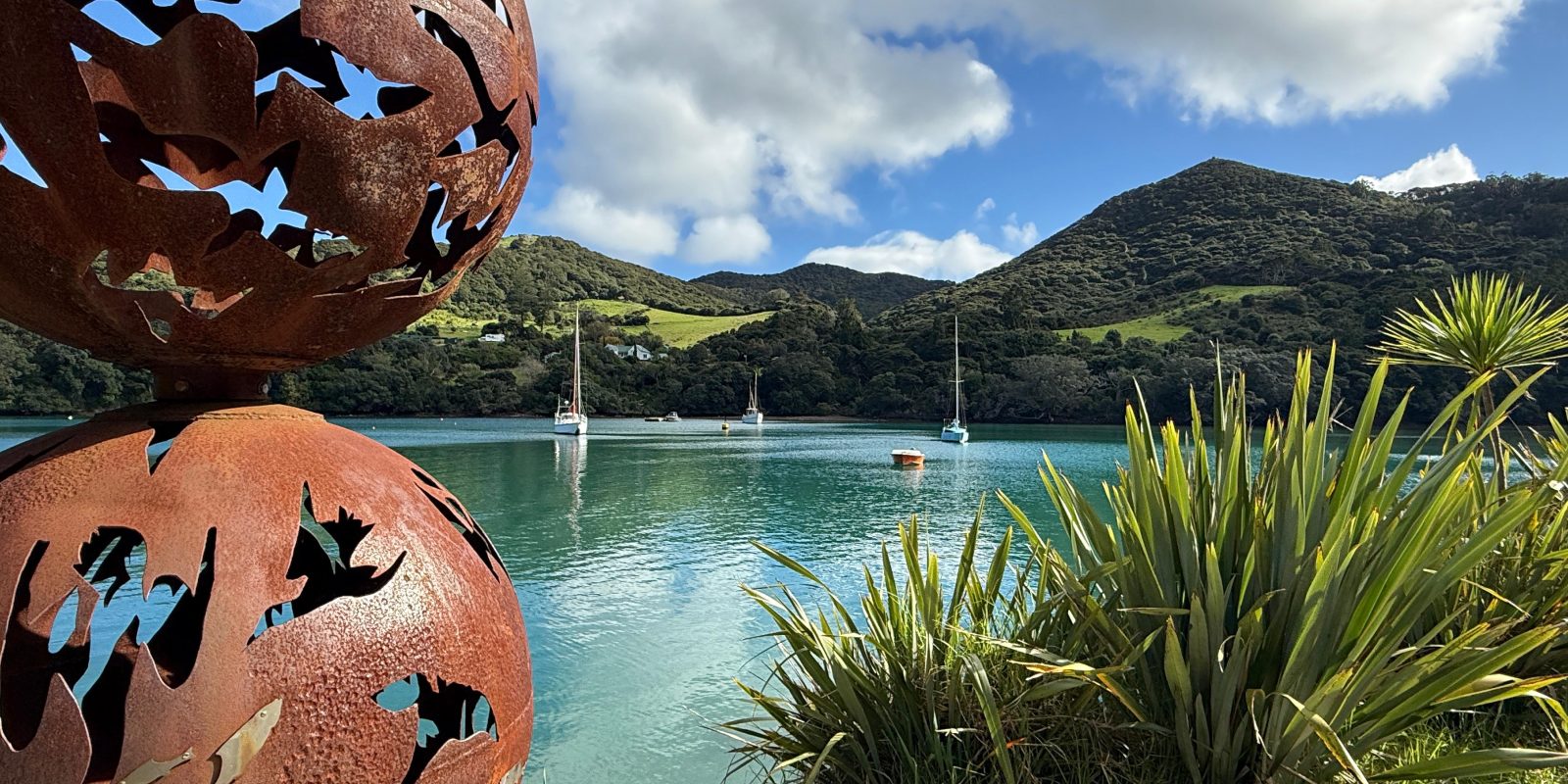
Auckland to Bay of Islands
via Aotea Great Barrier Island
This first leg of our South Pacific expedition explores the North-East coastline of New Zealand, blending sailing with shore-based research.
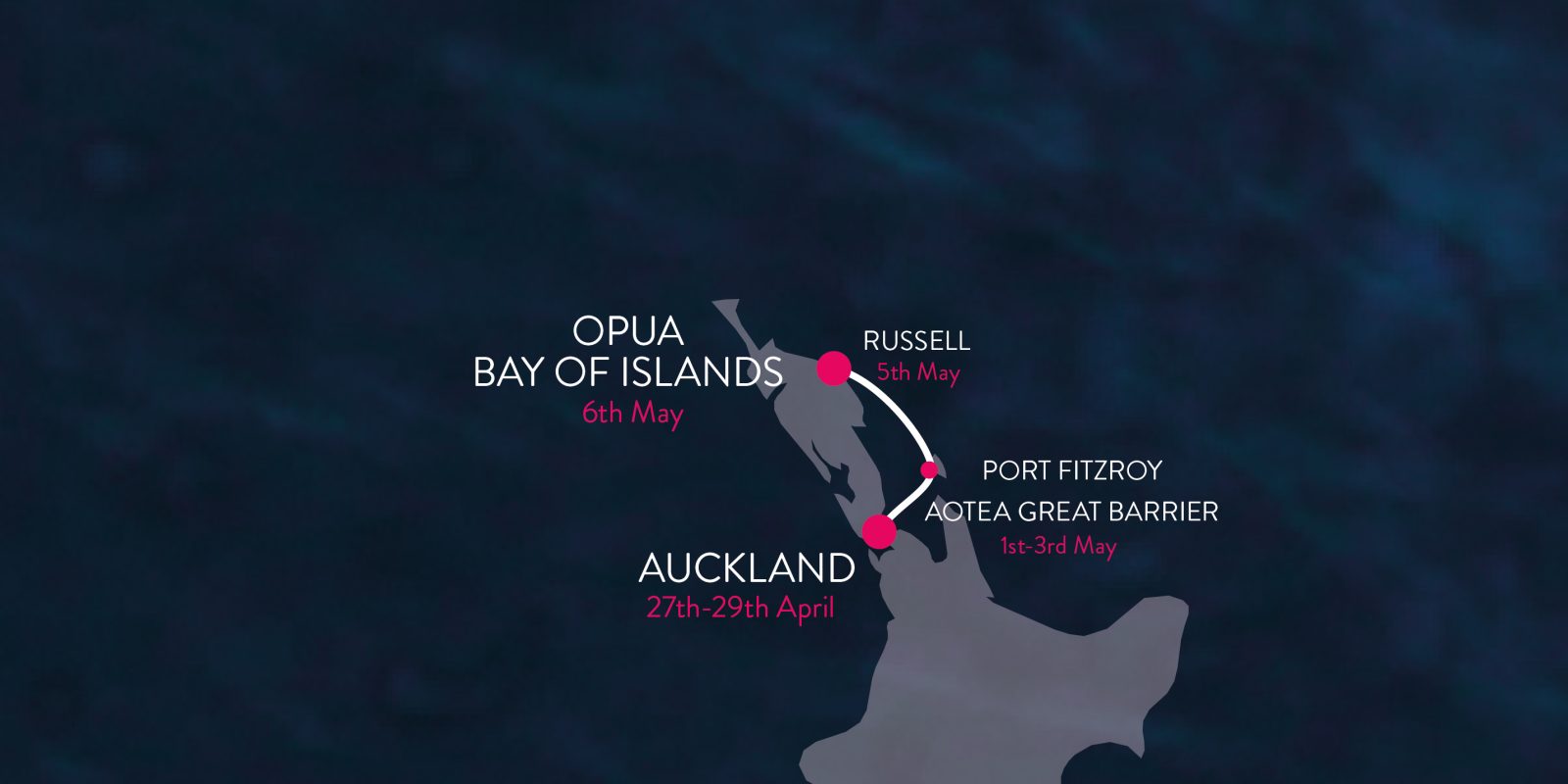
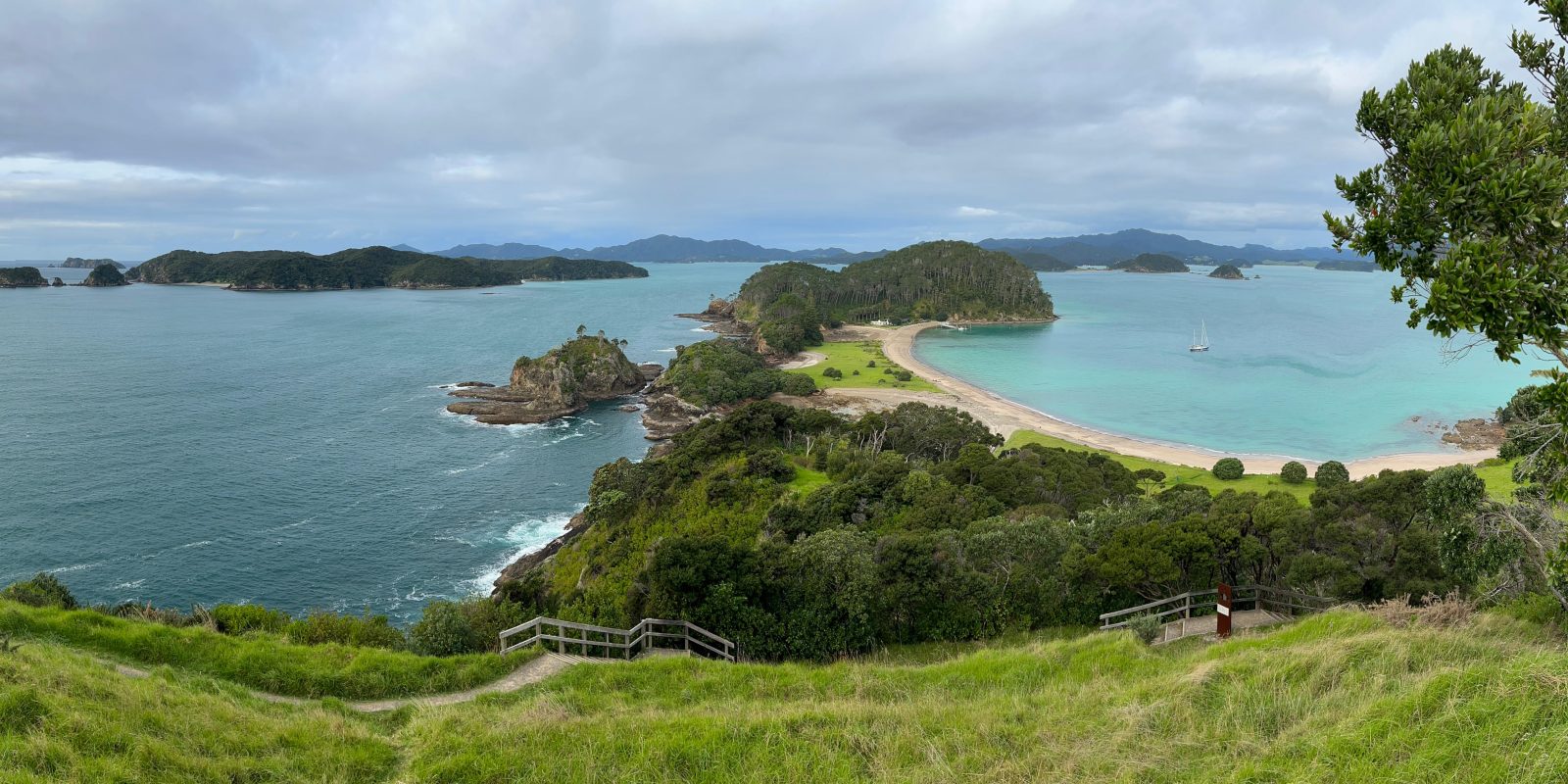
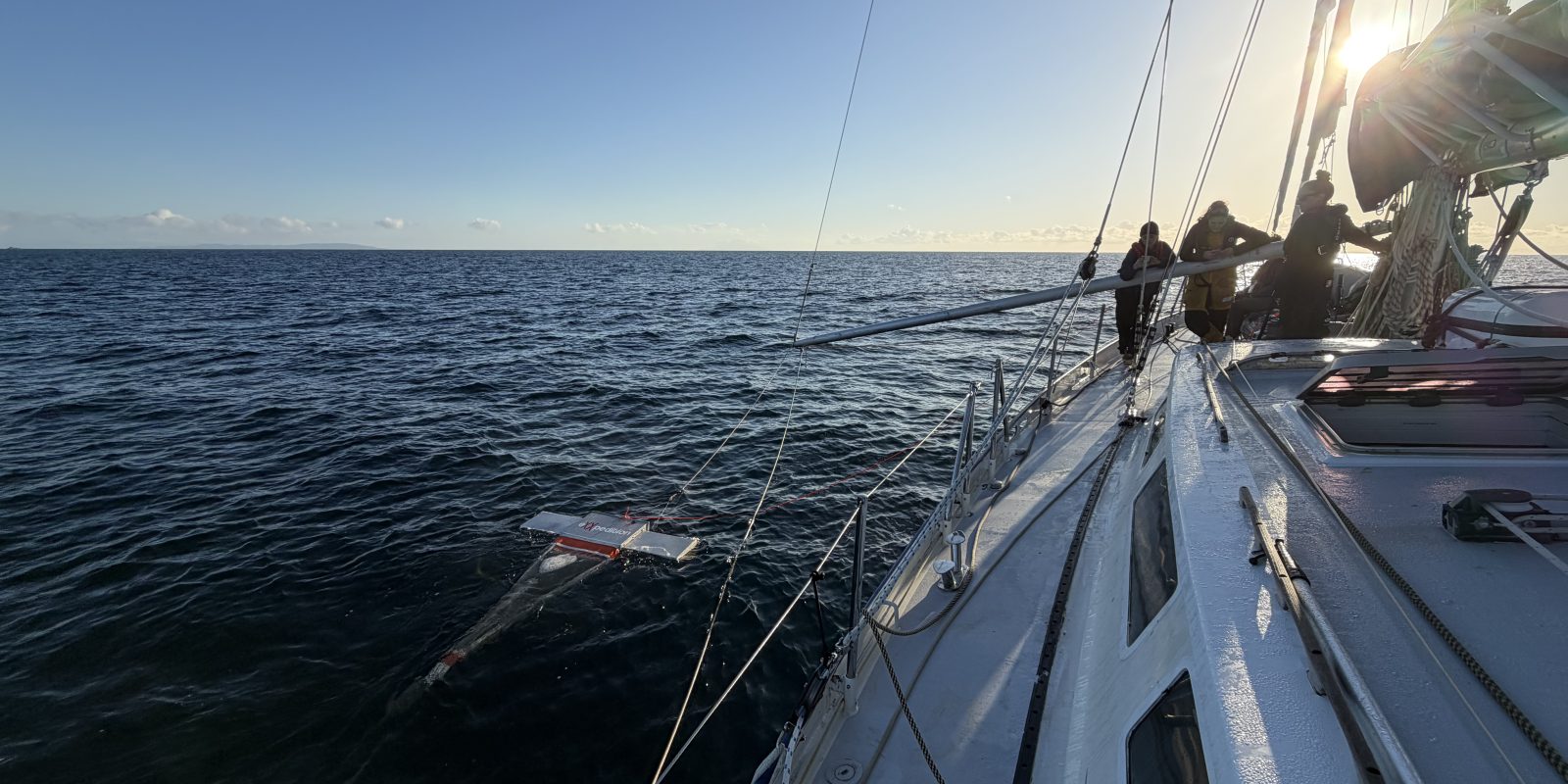
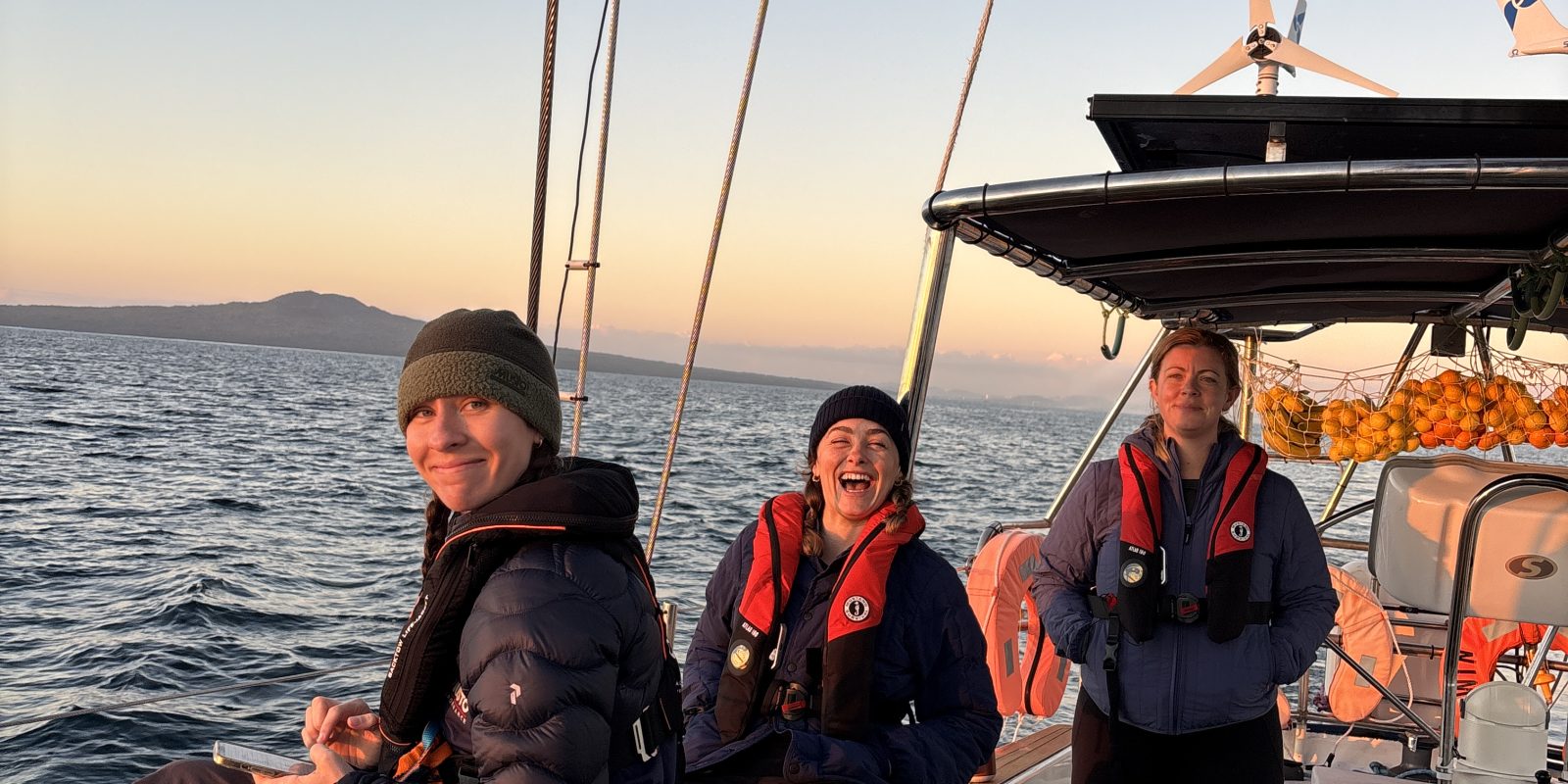
We kick off in Auckland, crossing the Hauraki Gulf, sailing to Great Barrier Island conducting water sampling on route. Due to the prevailing winds, this is where much of Auckland’s rubbish ends up.
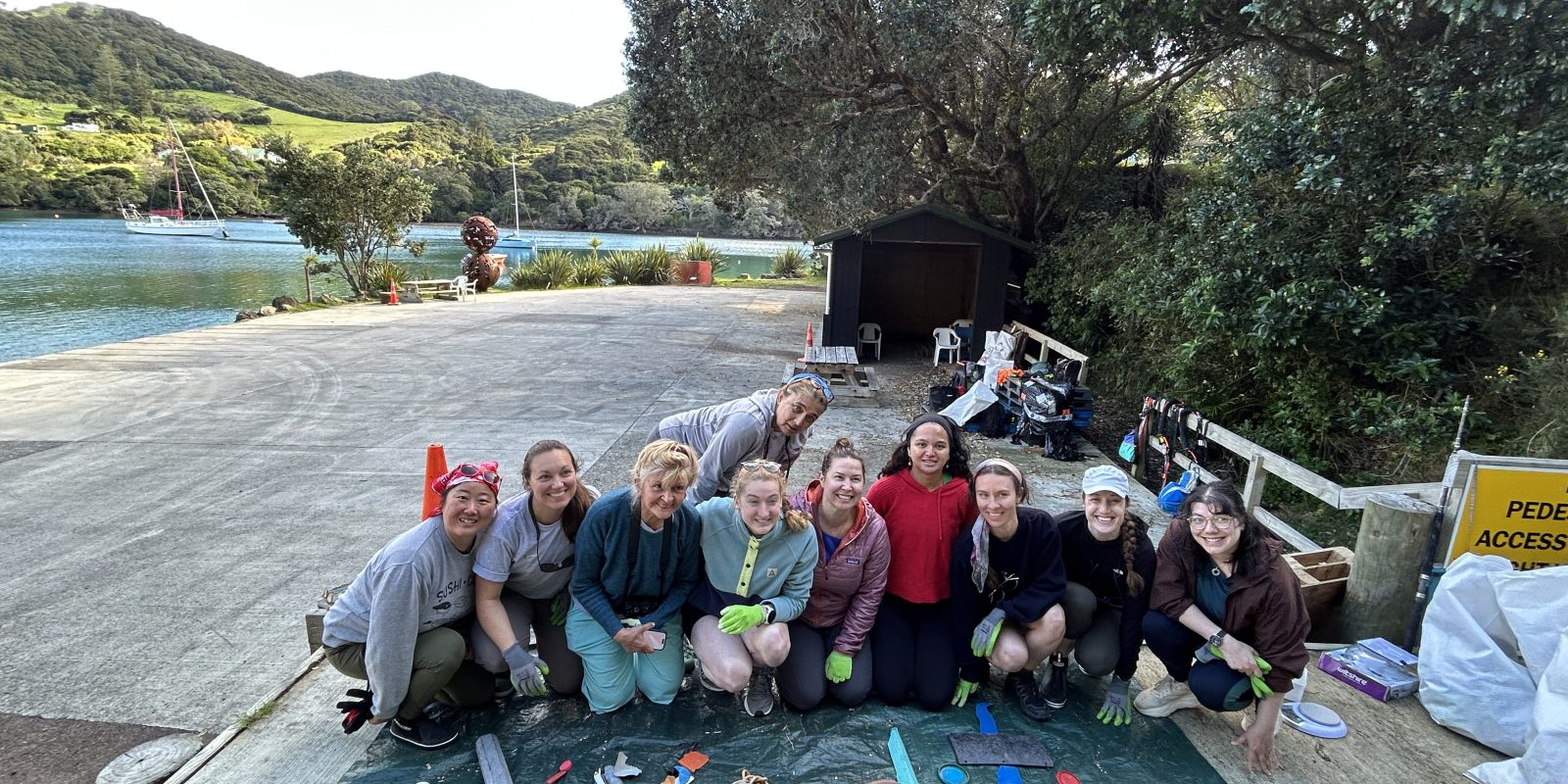
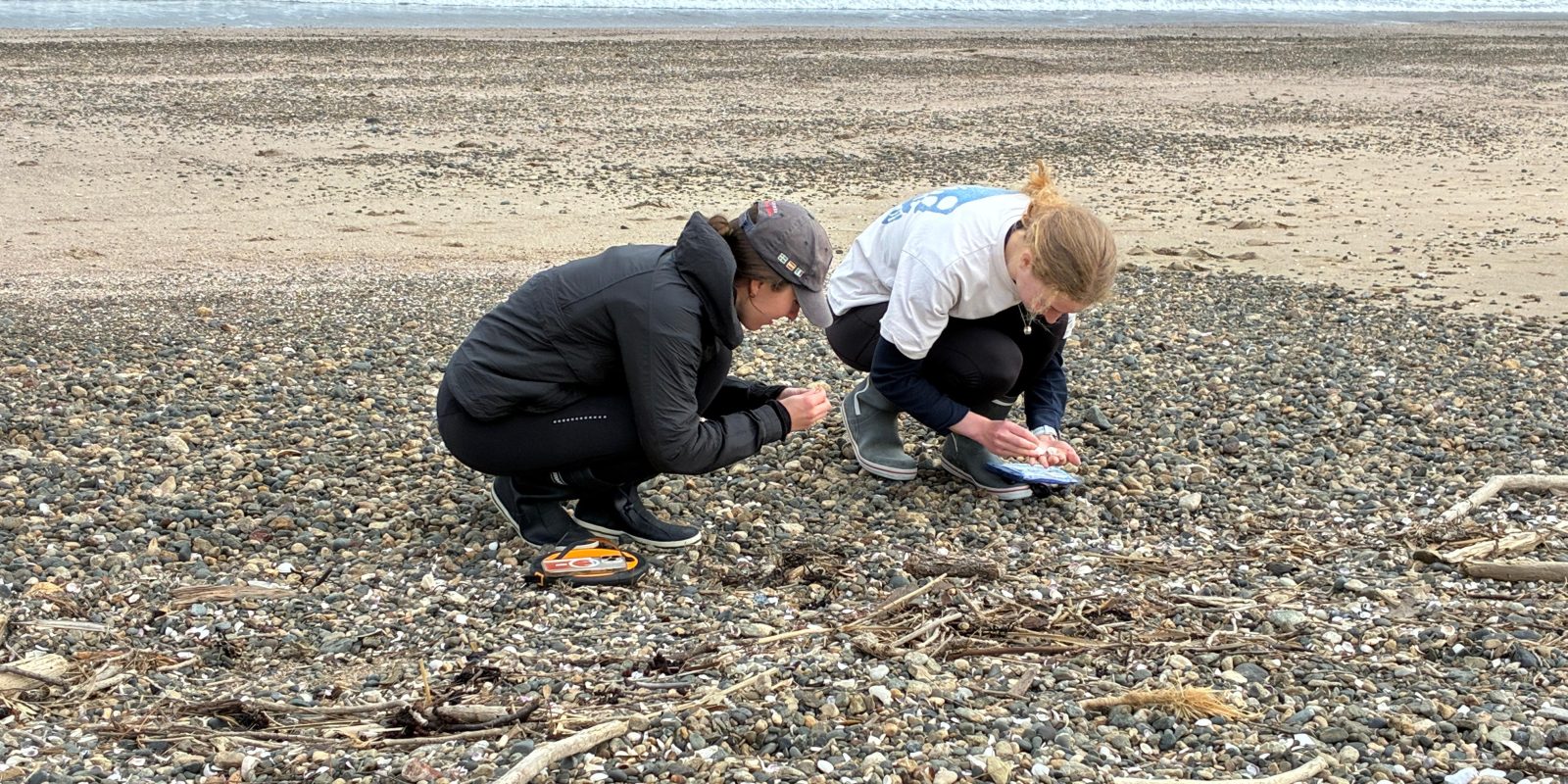
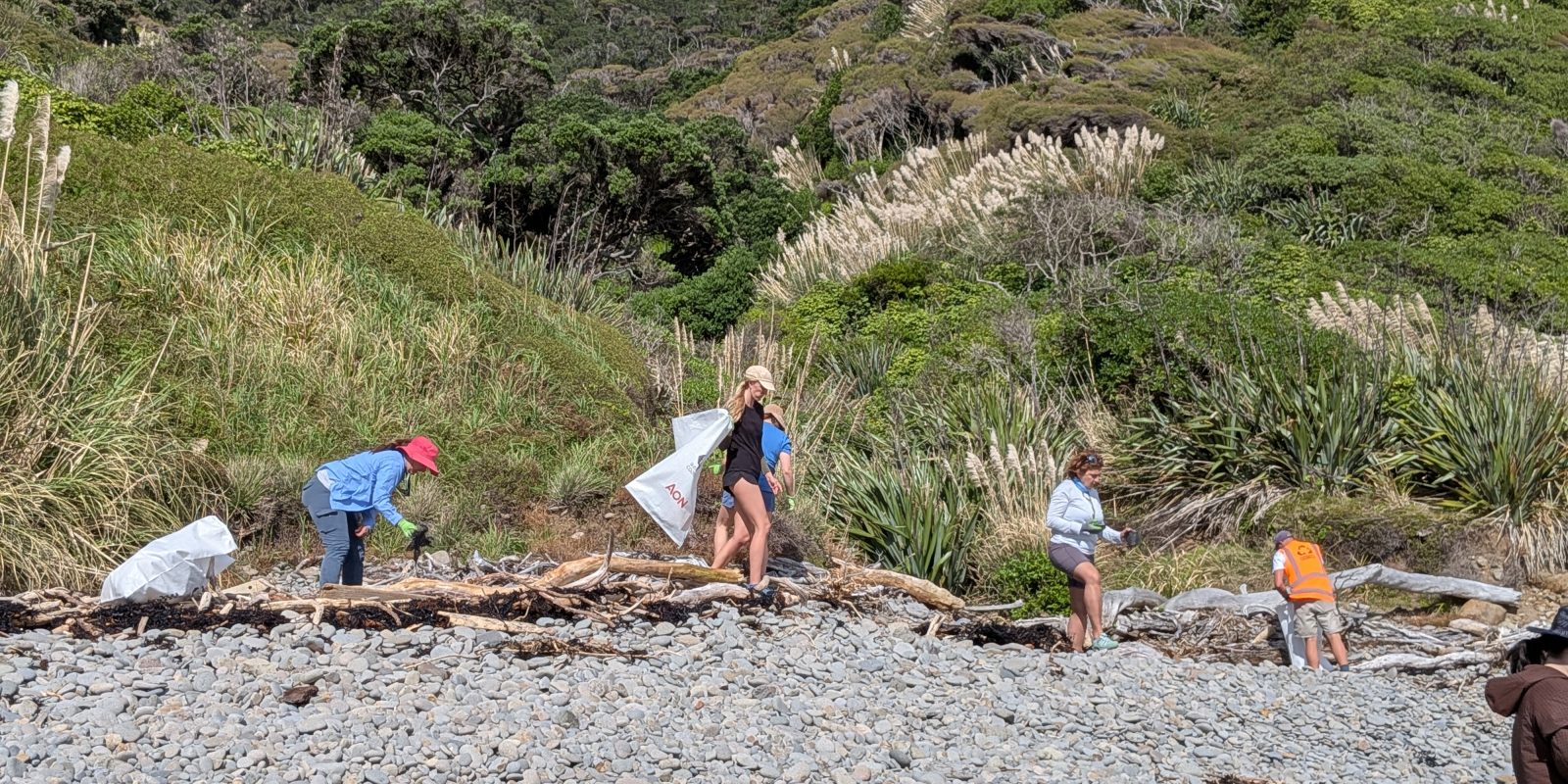
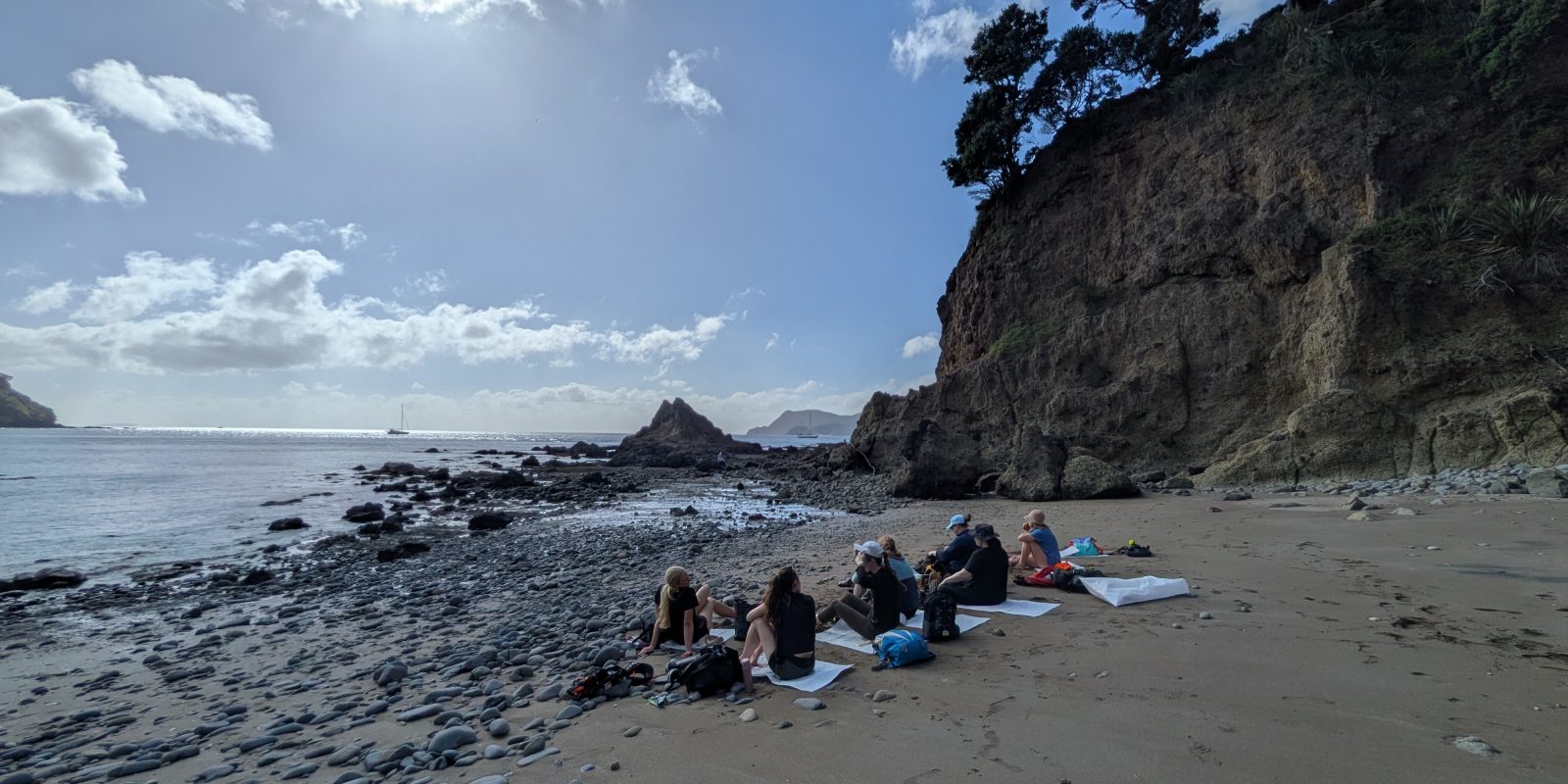
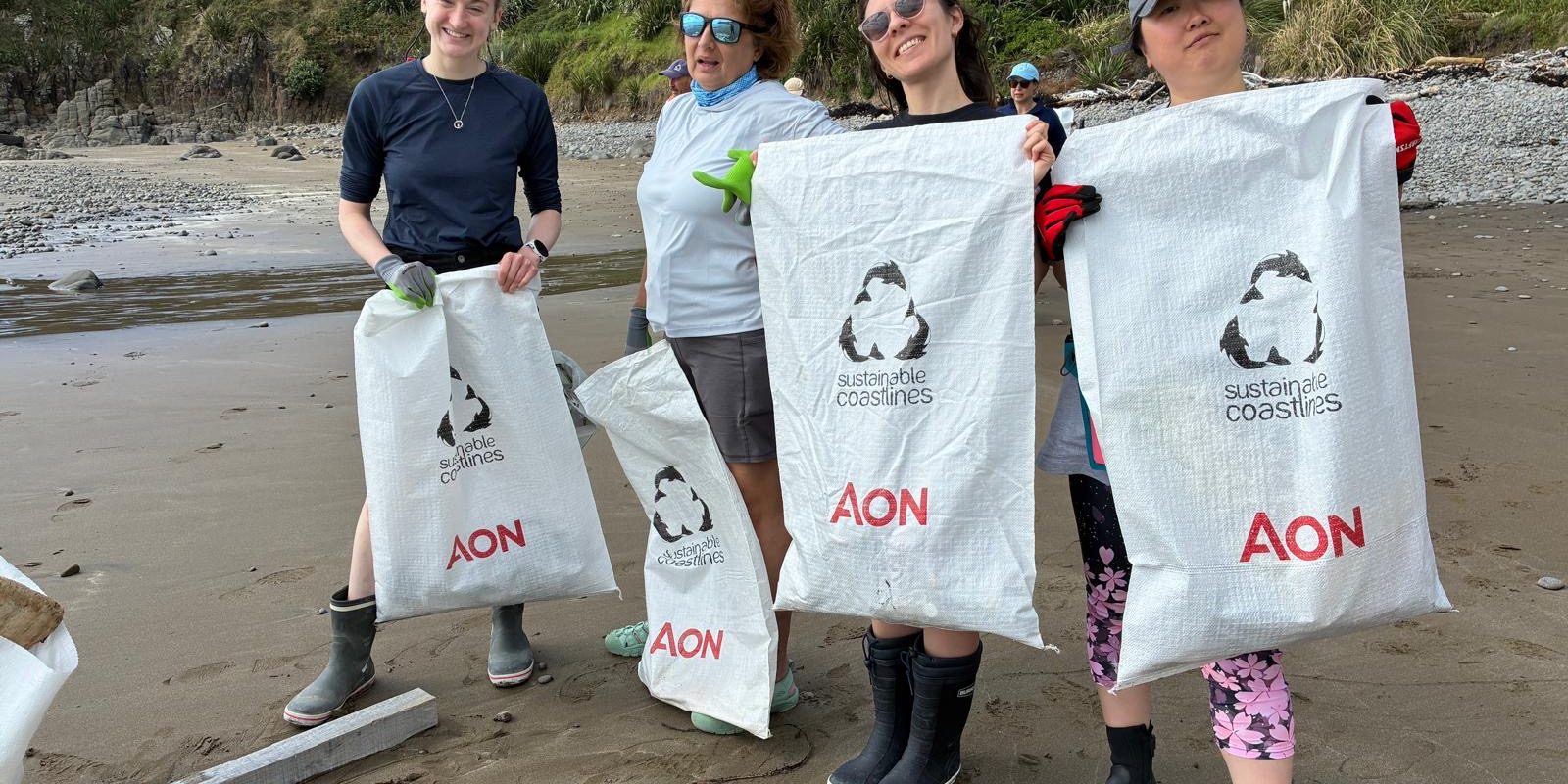
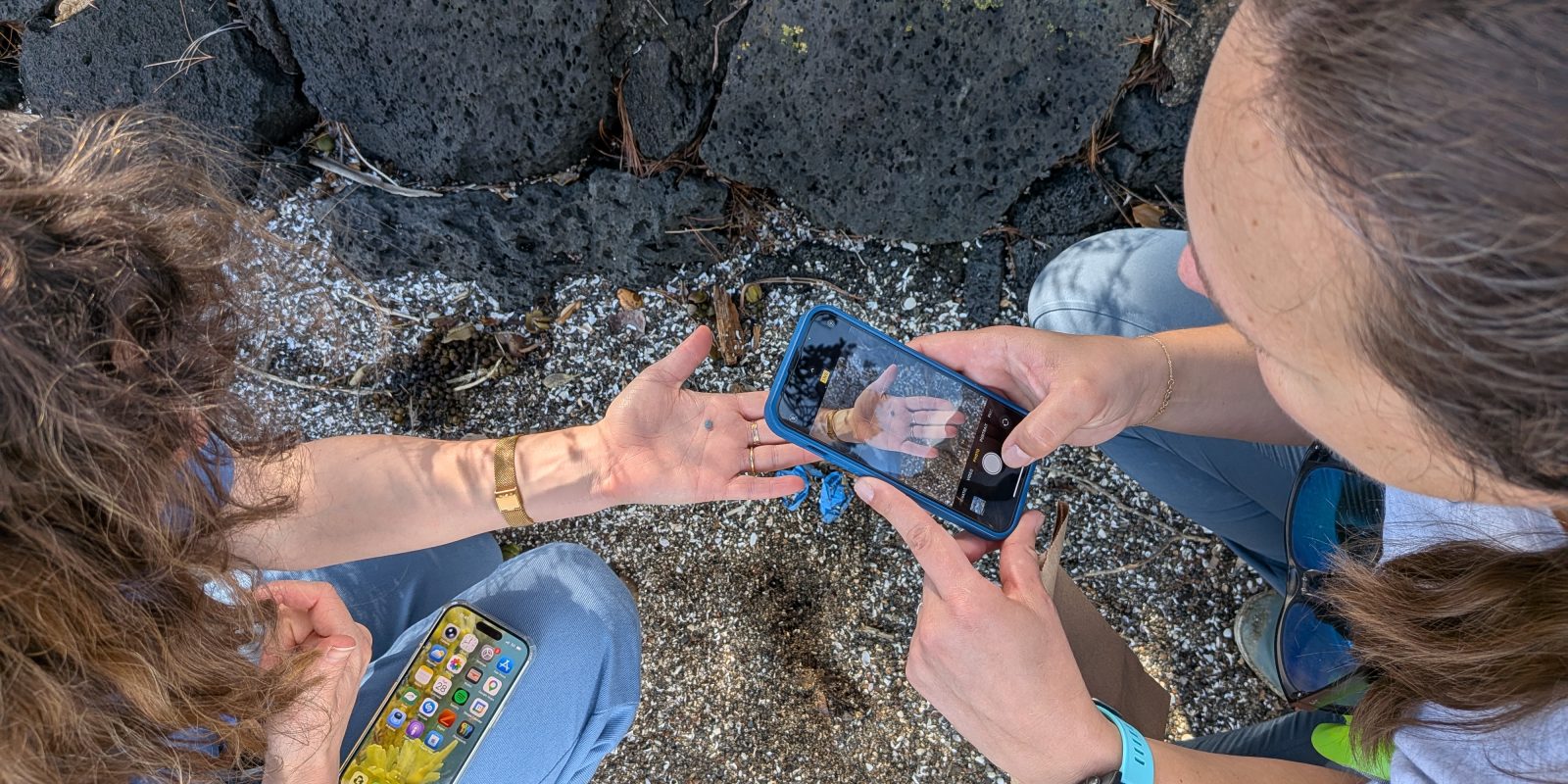
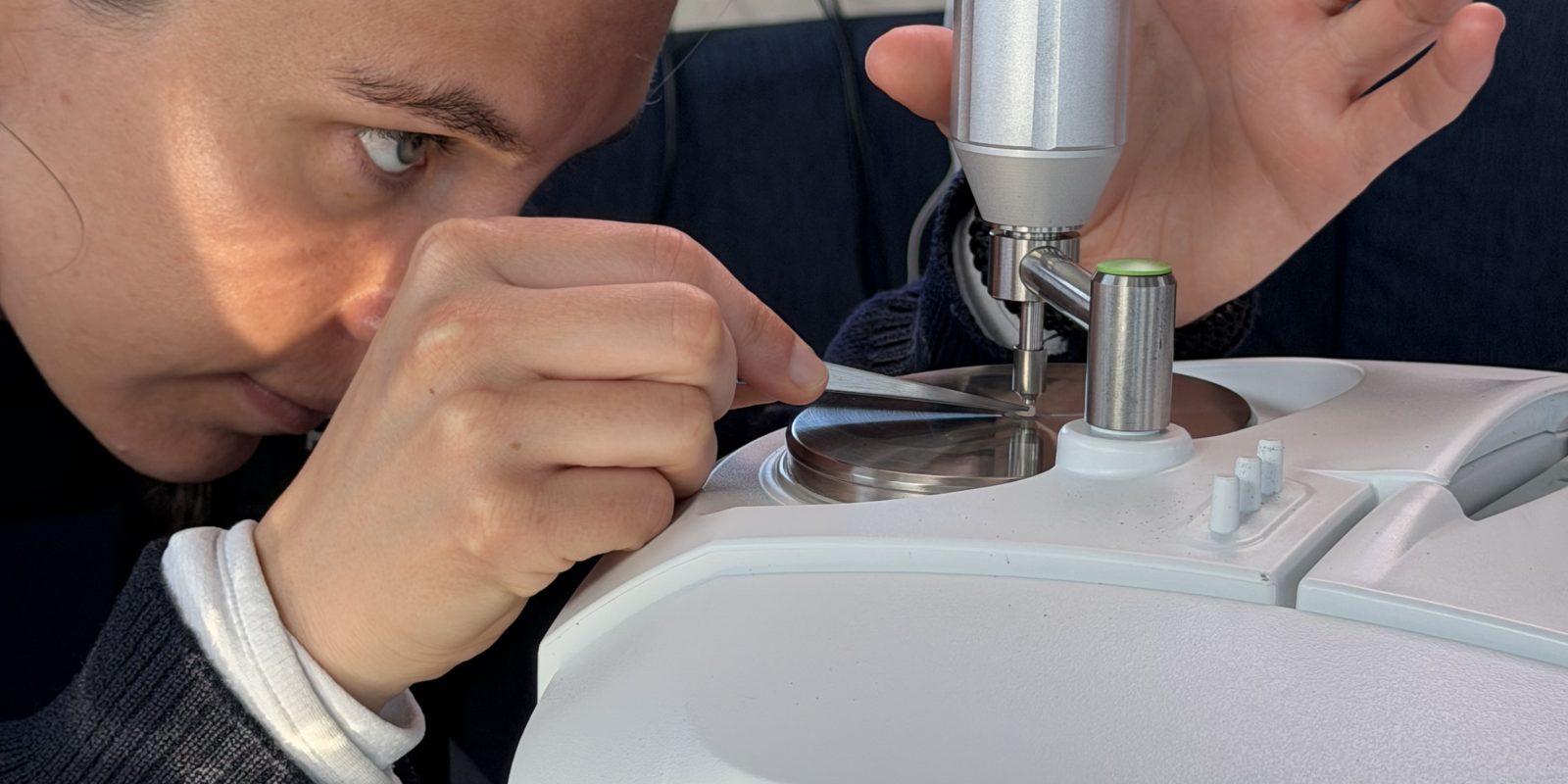
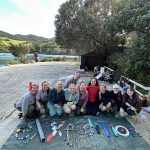
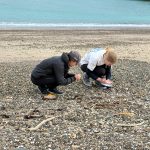
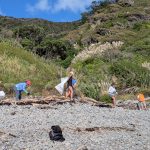
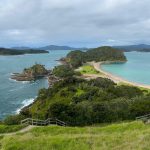
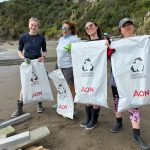
In partnership with local NGO Sustainable Coastlines, we will carry out a unique boat-based coastal cleanup of hard-to-reach shorelines, and audit the waste. We then sail onto the beautiful Bay of Islands, continuing our sampling and concluding the trip with land-based scientific work within local towns.
We begin and end our trip with connection activities — such as a special dinner or campfire — to celebrate our collaboration with local partners.
Meet the team
Mission Leader

Rowan Henthorn
Rowan Henthorn
United Kingdom
Scientist and Communicator
Rowan is a marine scientist working across ocean policy, plastics, and nature restoration. For the past four years she has led a pioneering blue carbon programme, mapping and protecting seagrass, saltmarsh, and seabed habitats to safeguard carbon storage, biodiversity, and healthy ecosystems. She also helped introduce some of the first single-use plastics legislation in the British Isles.
She brings science, policy, and community together to inspire action for the living world, and in 2018 sailed across the North Pacific with eXXpedition researching the Great Pacific Garbage Patch. Rowan now returns as Mission Leader for the South Pacific voyage, combining expedition experience with a focus on lasting, nature-based solutions.
Guest Crew

Dr. Britta Baechler
Dr. Britta Baechler
United States of America
Director of Ocean Plastics Research at Ocean Conservancy
Britta Baechler serves as Director of Ocean Plastics Research at Ocean Conservancy. She currently leads primary research on plastic pollution, including studying the prevalence of microplastics in the human food system, wildlife benefits of plastic cleanups, tire particle retention solutions, movement of floating plastics from inland out to sea, and public knowledge and perceptions.
Britta also serves as adjunct faculty with University of Toronto’s Department of Physical and Environmental Sciences. While she has been primarily focused on researching plastics since 2016, Britta carries more than a decade of experience working in fisheries management and broader marine conservation, including in the Bering Sea/Aleutian Islands region of Alaska and the Northern Mariana Islands.


Harriet Atherton
Harriet Atherton
United Kingdom
Building Sustainability
Harriet is a scientist turned sustainability consultant who is happiest in, on, or next to the sea.
After Emily Penn came to speak at her school in 2017, Harriet was inspired to dedicate her career to sustainability, beginning with a degree in Biochemistry before working as an environmental research assistant at the Environmental Change Institute, Oxford. Currently, Harriet applies this scientific training to industry, working in building and infrastructure sustainability. Together with her sponsorship partner, Rockwool Group, she is keen to understand the built environment’s contribution to plastic pollution and how change can be actioned in this industry.
Ultimately, she hopes to use the knowledge that she has gained through research, industry work, and her involvement in Exxpedition to policymaking for environmental recovery, with a particular focus on the ocean environment she cares so deeply about.

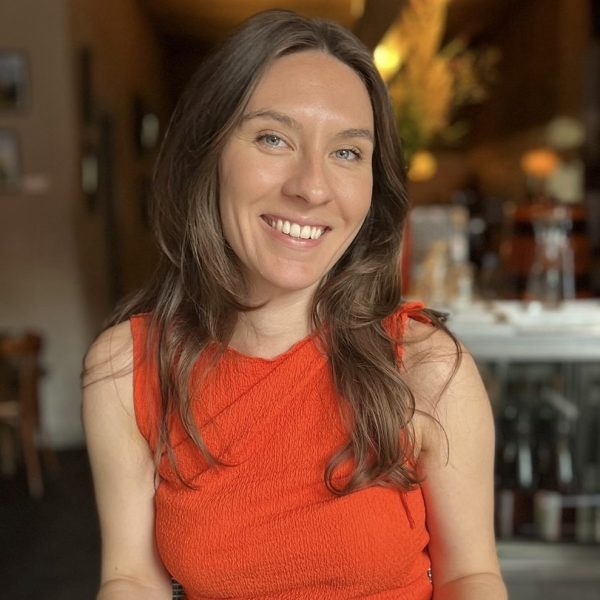
Isobel Vernon-Avery
Isobel Vernon-Avery
United Kingdom
Circular Economy and Regenerative Strategy
Isobel is driven by a commitment to restoring harmony between natural and human systems. She joins eXXpedition to deepen her contribution to ocean health and to learn alongside a community of women who share her determination to create meaningful change.
In her professional life, Isobel supports the built environment sector in its transition toward a circular and regenerative economy. She’s witnessed both the immense waste generated across the industry and the inspiring innovations that are redefining how materials can be recaptured, reused, and re-imagined. She works for Arup and she has collaborated closely with the Ellen MacArthur Foundation, helping accellerate the transition to a circular economy. Isobel’s interest in regenerative ecosystems and systems change has led her to contribute to the Cybernetics Society as a council member as well.
Collaboration sits at the heart of her work. Isobel believes deeply in the power of bringing diverse voices and groups of women together to unlock new ways of thinking and acting. She is currently working with her Godmother to support women stepping into leadership from a place of strength with Consulting Women – building on the legacy of her late mother and her lifelong commitment to empowering women.
She grew up with a deep love of the sea and the natural world, spending a lot of time on the Isles of Scilly and sailing in the Solent (UK). That early love for marine environments now fuels her desire to support planetary health in a more hands on and tangible way, ideally while on or near the water! Joining eXXpedition is an exciting step in her continuing journey to support our planet, evolving our capability to protect our ecosystems and contribute to solutions for plastic pollution.

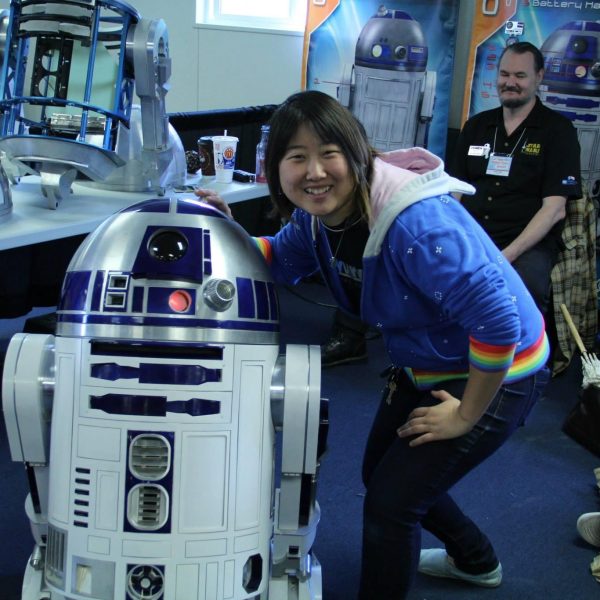
Jinger Zeng
Jinger Zeng
United States of America
Engineer
Jinger Zeng is a multidisciplinary technologist and community builder working at the intersection of open-source hardware, robotics, and Edge AI. With a background spanning engineering, entrepreneurship, and ecosystem development, Jinger specializes in building technical communities and designing programs that bridge researchers, developers, startups, and industry partners. Earlier in her career, she founded a robotics startup that emerged from university research, and later went on to design and lead international innovation programs across the open-hardware and developer ecosystem.
Her work focuses on helping emerging technologies move from research and prototypes into real-world deployment through strong developer communities, strategic partnerships, and collaborative innovation frameworks. Jinger is also an advocate for interdisciplinary approaches to technology—connecting engineering with art, culture, and environmental stewardship. She is particularly interested in how open technologies and Edge AI can empower global communities to build locally relevant solutions for environmental monitoring, conservation, and distributed infrastructure.


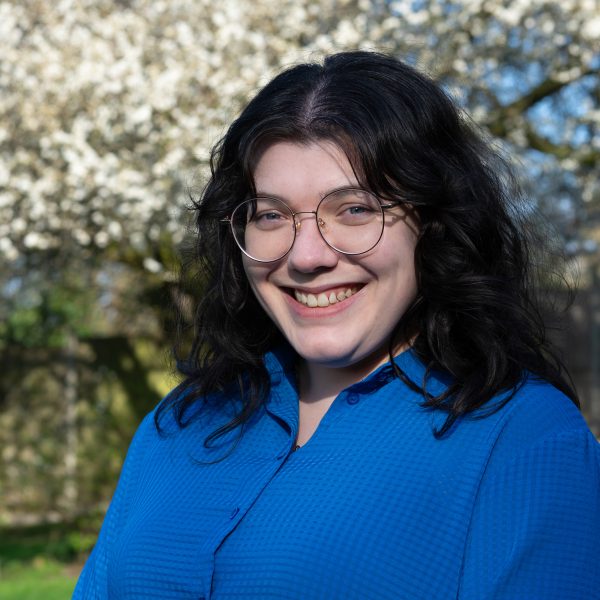
Katie Giles
Katie Giles
United Kingdom
Laboratory Technician
Katie is a Laboratory Technician at Imperial College in London, specialising in Tissue Culture.
After ten years in the film industry, Katie wanted to return to her childhood passion: science. While studying with The Open University, she joined the Caribbean leg of the virtual eXXpedition voyage.
The experience of working with eXXpedition confirmed that she wanted a career in science. Katie qualified as a Lab Technician through an apprenticeship with Imperial College, where she now works full-time in the Department of Bioengineering.
Katie is engaged with lab sustainability initiatives and is an ambassador for My Green Lab – helping labs to reduce their environmental impact. Her career in film has made her an advocate for creating effective change through accessible storytelling and science-based research.
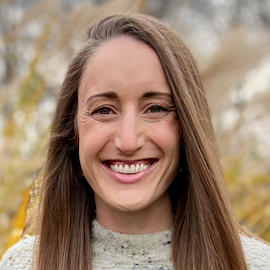
Lauren Hokenson
Lauren Hokenson
United States of America
Social Entrepreneur & Sustainable Swimwear Designer
After a career in corporate marketing, Lauren realized she wanted her work to reflect her deeply held values around sustainable, responsible, and ethical product design. That realization led her back to her lifelong passion for sewing, and toward her dream of building a sustainable swimwear brand that challenges the norms of the fashion industry.
Lauren’s interest in sustainability began more than a decade ago with a simple curiosity about minimalism and zero-waste living. What began as a personal lifestyle shift soon grew into a stronger sense of responsibility as she learned more about the environmental impacts of the products we create, consume, and discard. From the start of building her swimwear brand Lauren knew it needed to play an active role in addressing the environmental harm caused by the fashion industry, especially given that conventional swimwear is made from plastic-based fibers that never truly decompose. Instead, those fibers slowly break down into microplastics that pollute our soil, waterways and oceans for generations.
For Lauren, the connection between fashion and plastic pollution is impossible to ignore. She’s driven to help reshape the swimwear industry, creating solutions that protect the very oceans that inspire it.
Joining this expedition offers Lauren the rare opportunity to witness the plastic pollution crisis firsthand while contributing to research that is actively creating solutions. She believes we have the power to turn the tide on plastic pollution and joins the crew eager to learn, contribute, and grow. She plans to bring the knowledge and perspective gained at sea back into her business, driving meaningful change within the fashion industry and the communities she serves.

Learn more about Lauren's journey here:

Maya Baneva Petkova
Maya Baneva Petkova
United Kingdom
Structural Engineer
Born and raised on the coast of the Black Sea in Bulgaria, I developed a deep connection to the water from an early age. Long summer days spent along the shoreline nurtured my appreciation for clean beaches and waters, and the fragile beauty of marine environments. Protecting the sea that shaped my childhood felt deeply personal and became my first passion.
After earning a degree in Structural Engineering in Bulgaria, I joined a pioneering company that repurposed recycled plastics and other waste materials into structural elements for affordable housing. Working in such an innovative environment shaped my understanding of how engineering can not only transform construction but also protect the environment. Now based in the United States, I continue to focus on energy-efficient and eco-friendly housing, making sustainable living my second passion.
However, my love of travel has taken me across the globe, giving me firsthand insight into the environmental challenges our planet faces. From the heavy air pollution in Indian cities to the rapid deforestation of the Brazilian Amazon, from the melting glaciers of Mt. Kilimanjaro to beaches in Bali, scattered with plastic waste, I’ve witnessed the devastating effects of climate change. Among these experiences, the state of the world’s oceans has affected me most profoundly, reinforcing a lifelong conviction: the health of our seas depends on the actions of people everywhere.
Believing that everyone can make a difference if they simply choose to act, I decided to join eXXpedition. Why? Because now we need all hands-on deck, from helping with research and data gathering, to learning and understanding the actual processes of plastic pollution, to raising awareness in our own communities, and reshaping public opinion. It is time.
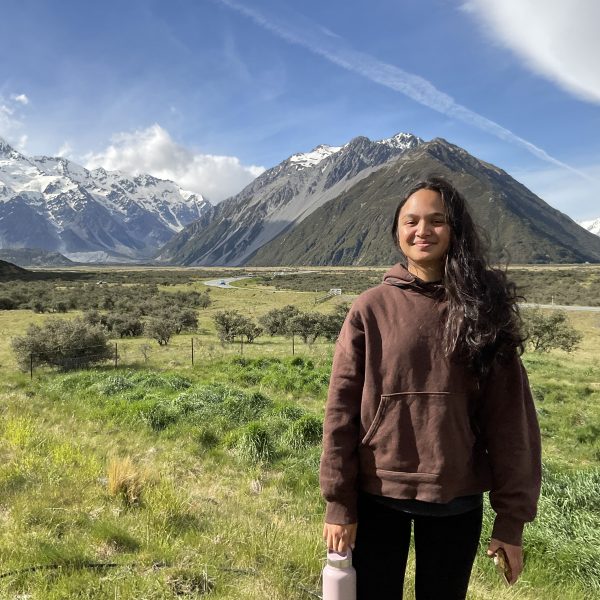
Rāwinia Wikaira
Rāwinia Wikaira
New Zealand
Scientist
Rāwinia Wikaira is of Māori descent, with whakapapa (ancestry) to the tribes Rangitāne o Wairau, Ngāi Te Rangi, Ngāti Wai, Ngāpuhi, and Muriwhenua. She is a recent graduate from University of Otago (Ōtākou Whakaihu Waka), where she completed a Bachelor of Arts and Science majoring in Māori Studies and Ecology. Her work interests sit at the intersection of environmental science, Indigenous knowledge, and community engagement. She has aspirations to work for her tribes and produce research that is informed by Indigenous and tribe-specific knowledge systems. She has experience in, and enjoys working at, a grassroots level with whānau Māori and small communities to tackle local ecological issues. Every summer, Rāwinia spends time at her papakāinga (ancestral coastal home) at Pākiri Beach (within the tribal territory of Ngāti Wai), where her love for nature first grew and continues to be fostered. Outside of work, you will find Rāwinia hiking, diving, and spending time in the awa (water).
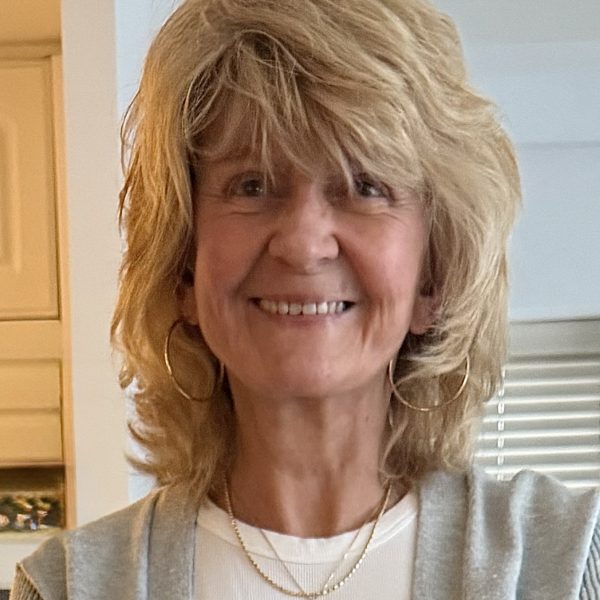
Sibel Bulay
Sibel Bulay
Turkey
Mechanical Engineer/ Urban Affairs Editor
I began my career teaching at the Middle East Technical University in Turkey. I went back to school and got my degree in mechanical engineering at age 36 and joined Truck Operations at Ford.After retirement I returned to Turkey where, working for the World Resources Institute, I founded EMBARQ Turkey: an NGO dedicated to urban transport (now WRI Ross Center Turkey). I served as advisor to the Smart Cities Department of the Istanbul Metropolitan Municipality through September 2022. Currently I serve as the Urban Affairs Editor and Livable Cities columnist for the journal EKOIQ. I am also a co-producer and co-host of “The City Belongs to Us” on MedyascopeTV, shaping informed debate on sustainable cities.
Ever since I saw the Blue Marble photo, I have been an advocate for a healthy planet. And my superpower, at age 73, is that I am still excited to be living and learning on this beautiful planet; and fighting to protect it. I am thrilled to be undertaking a new role as “science researcher” on the exxpedition, especially since plastic pollution is of particular interest to me.
Turkey is one of the largest importers of plastic waste, in amounts that exceed its capacity to recycle. And the UK is importing waste to a nation that doesn’t have the capacity to recycle it. The result is out of sight, out of mind for the UK. But for Turkey’s Adana region it is rivers, road sides and landfills with bales of plastic waste that is NOT going to be recycled.
The solution is twofold: nations receiving waste MUST verify their capacity to recycle the incoming waste. And exporting nations should only export waste to nations that have verified their capacity to recycle.
Here’s to fair winds and following seas as we embark upon our voyage.

Taylor Maddalene Myers
Taylor Maddalene Myers
United States of America
Science Lead
Dr. Taylor Maddalene Myers is a Research Faculty member in the College of Engineering at the University of Georgia and Director of the Circularity Assessment Protocol at the Jambeck Circularity Informatics Lab. Her background is in marine conservation, pollution prevention, and science communication, working on projects around the globe with organizations such as National Geographic, The White House Council on Environmental Quality, World Wildlife Fund, Rare, and many others. Her research focuses on the impacts of plastic pollution and tying human behavior and waste management infrastructure on land with what we find in the ocean.
Taylor has also been an avid scuba diver, sailor, adventurer, and all-around ocean lover from a young age, and has traveled to every continent (save Antarctica!) and dived in every major ocean. She knows that waste around the world tells a story, and that the challenges we face in the ocean start upstream, and so her experiences have taken her from scuba diving to dumpster diving (and everything in between!). Taylor has dedicated herself to protecting our environment and all those who depend on it.
In Collaboration with our Local Partners
Thank You


Expedition Itinerary
-
27th - 29th AprilArrival at the boat, followed by local partner dinner. Land-based science, talks and workshops.Auckland, New Zealand
-
30th AprilSailing and water sampling.At sea
-
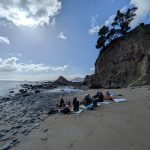
1st MayBoat-based coastal cleanup and audit. Land-based science, talks and workshops.Great Barrier Island Aotea
-
2nd - 5th MaySailing and water sampling.At sea
-
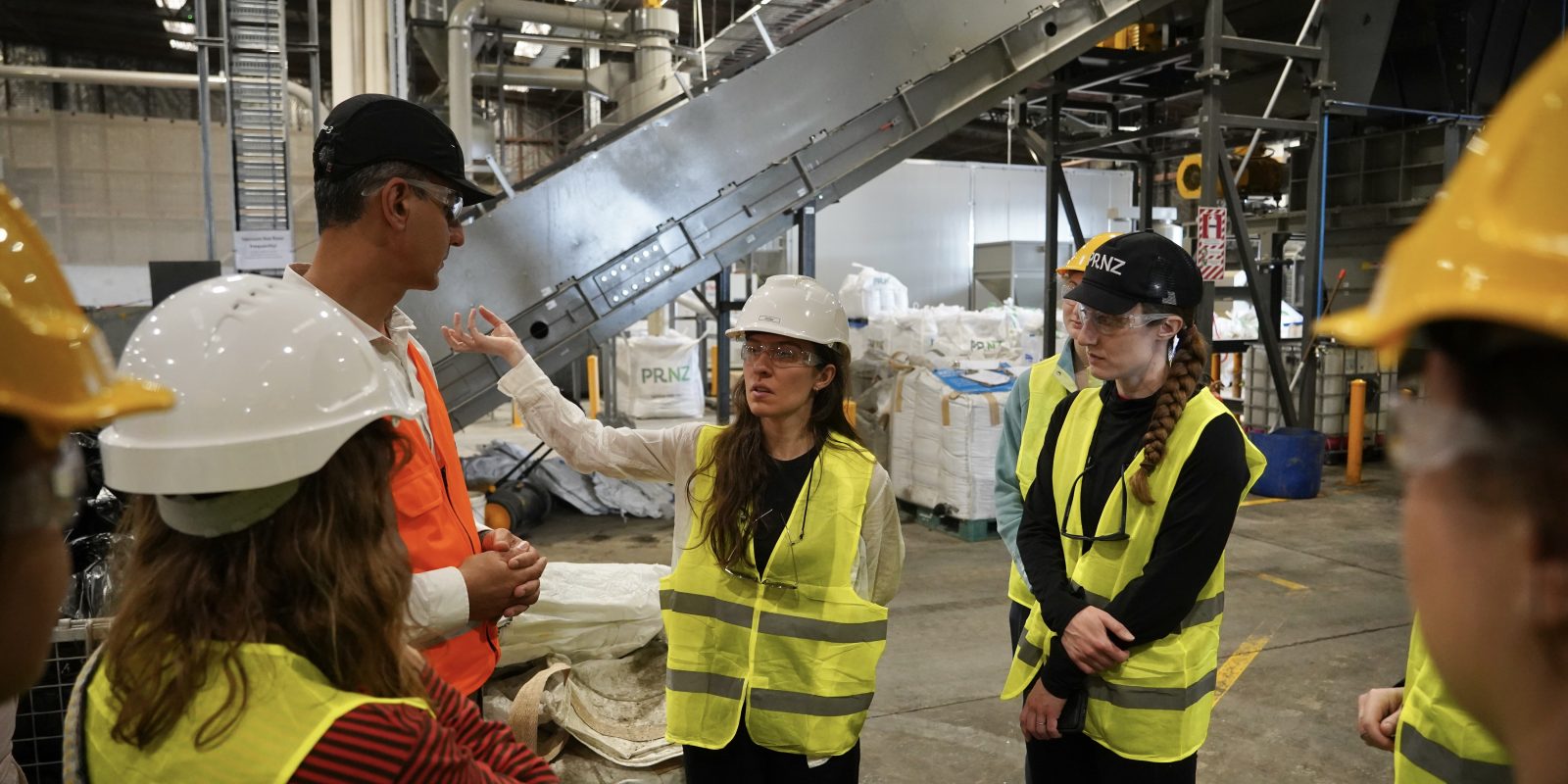
6th MayLand-based science, talks and workshops. Celebratory dinner before guest crew depart.Opua, Bay of Islands, New Zealand
Itinerary subject to change.
EXPEDITION HIGHLIGHTS
Moments at sea and on land
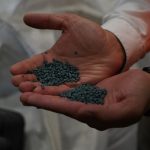
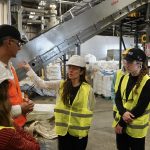
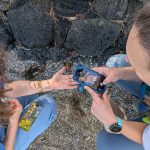
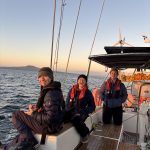
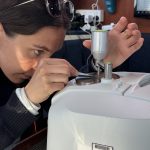
The Vessel
S/V Wind Shift
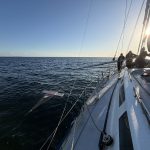
Our home at sea is S/V Wind Shift, a robust 70-foot vessel built by Shipwright to sail anywhere in the world in any conditions. She is immensely safe and strong with the highest safety rating possible – MCA Category 0.
With decades of service and hundreds of thousands of nautical miles sailed – from the tranquil tropics to the unpredictable Southern Ocean – S/V Wind Shift is a proven, trusted platform for exploration, learning, and adventure. She is equipped with top-tier safety gear, including advanced navigation and communication systems, comprehensive life-saving equipment, science equipment and a professionally trained crew.
The saloon serves as our central hub for meals, mission briefings, and relaxation as well as a place for sample analysis, crew presentations and workshops. Accommodation is in bunks within shared cabins. The boat is equipped with two heads (marine toilets), simple but functional showers, and the well-equipped galley ensures the crew stays well-fed and ready for the demands of sailing.
Voyage Blogs
Clean up at Great Barrier Island