There are generally two types of packers.
Those who throw a few clothes into a bag and head off on holiday.
And those who spend weeks researching waterproof socks.
I am both, throw in and risk the outcome and taking excellent advice on sleeping bags (thanks Katy).
Preparing for an EXXpedition, sailing from Ilulissat to Nuuk, wasn’t simply packing a suitcase. It was preparing for every possible combination of weather, sea state, scientific activity and bodily malfunction.
The list became legendary.
Waterproof socks. Thermal socks. Inner gloves. Outer gloves. Waterproof gloves. Walking boots. Boat boots. Waterproof land shoes. Waterproof trousers. Boat waterproof trousers. Thermals. Fleece. Gilet. Down jacket. Neck warmer. Hat. Sun cream. Mosquito repellent. Battery pack. Waterproof phone pouch. Waterproof backpack. Waterproof bags… inside the waterproof backpack.
By the time I’d finished, I was confident I could survive a small Arctic apocalypse.
Then came food.
Being gluten-free and trying to go into ketosis for my brain once a day meant I packed smart. FATT bars, chocolate-covered almonds, pecans, macadamias, MCT oil, AG1 and emergency carbohydrates, just in case.
Eventually everything fitted into a handful of beautifully organised packing cubes with little transparent windows.
One for thermals. One for clothes. One for underwear. One for electronics.
I stood back and admired my work.
I was organised.
Prepared.
Ready for anything.
Or so I hoped.
After a week at sea, I’ve reached one very important conclusion.
I packed well.
Apparently, nobody notices if you wear the same fleece every day.
Because everyone is doing the same.
My hair has abandoned all hope and now resembles a small seabird that’s been caught in a Force 6 gale.
Luxury has also been redefined. It is a hot water bottle on freezing feet when climbing fully clothed into a sleeping bag for the rationed two hours’ sleep.
At one point after 48 hours at sea with three-hour watches, I calculated I had had nine hours’ sleep. Worse than breastfeeding!
A shower? Not this week.
Instead, there’s a small bowl of warm water and what I now refer to as a “strategic wash.”
You quickly discover that nobody is judging anyone else’s appearance.
We’re all far too busy trying to remember where we left our gloves.
Or whether today requires waterproof boots, walking boots or simply optimism.
Dressing for Greenland is like playing environmental roulette.
Wet landing?
Dry landing?
Thermals?
Extra thermals?
Down jacket?
Boat waterproofs?
Definitely sun cream.
Who knew Greenland could be so sunny?
Until it wasn’t, and it was just thick freezing fog.
Preparing for iceberg watch at anchor was another “what the @uck” moment. I didn’t pack binoculars. Apparently “growlers” are the biggest risk—small icebergs that, if they catch around the anchor chain, can rip the anchor out.
One unexpected luxury has been my bunk.
By some extraordinary stroke of luck, I was allocated a berth that actually allowed me to organise my little world.
Apparently, my entire existence can be condensed into four wet bags with little clear windows.
Everything in its place.
It felt positively luxurious.
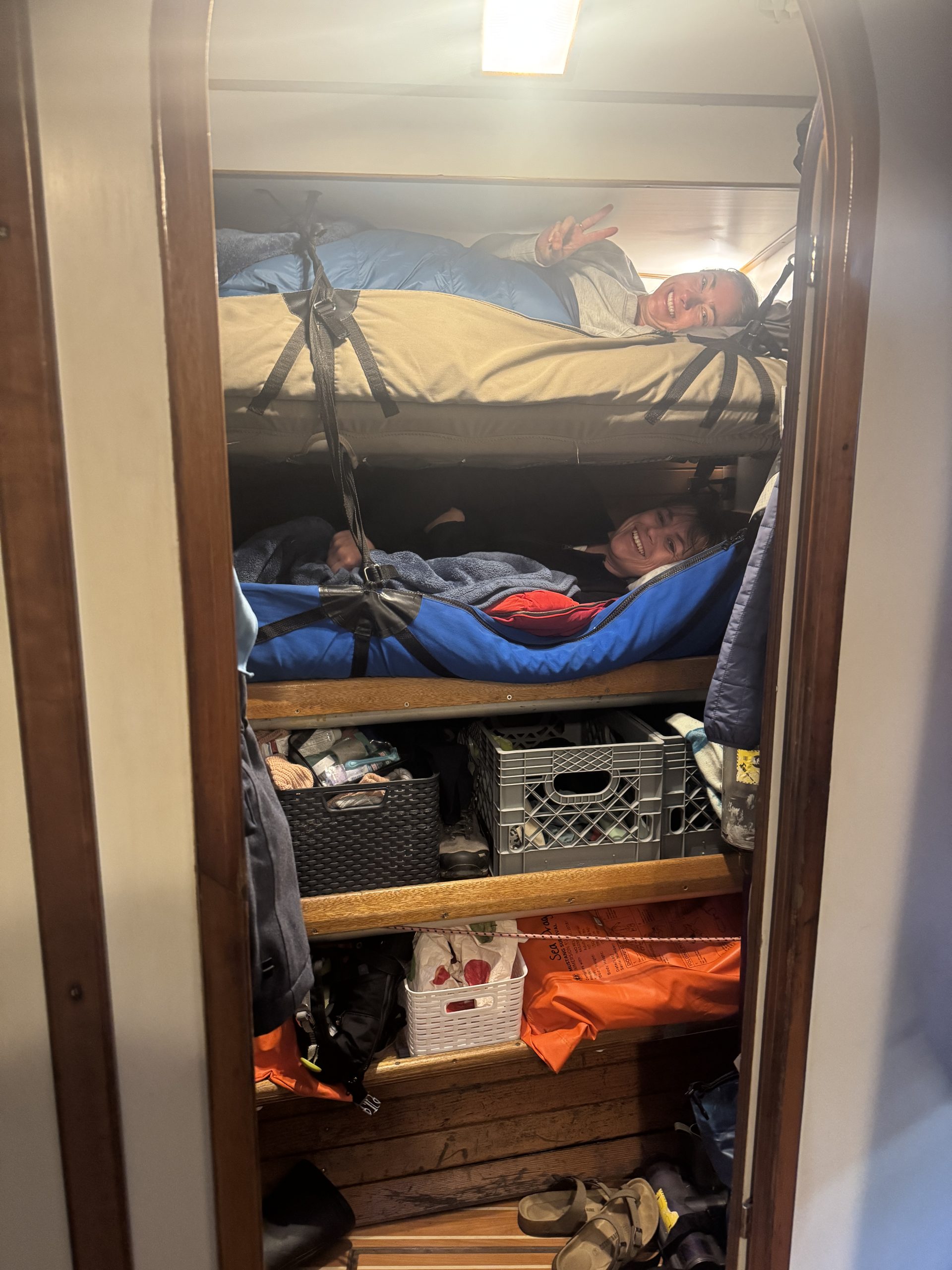
Photo credit: STEPHANIE PETERS
Then there’s the science.
Before we even leave the boat, we must pack our waterproof backpacks with the essentials of modern expedition life: iPad, battery pack, phone, sunglasses, snacks, waterproof socks, seasickness tablets, mosquito repellent and enough gluten-free emergency rations that the crew no longer look nervous when they see me coming.
Only then do we head ashore to dissect beaches into 100 x 2 metre sections, identify every piece of litter and collect data that helps scientists understand how plastic travels to one of the most remote places on Earth.
It’s extraordinary really.
An enormous amount of preparation…
…to look for something almost invisible.
That strikes me as rather like prevention in health.
The most important work often happens long before anyone else can see the problem.
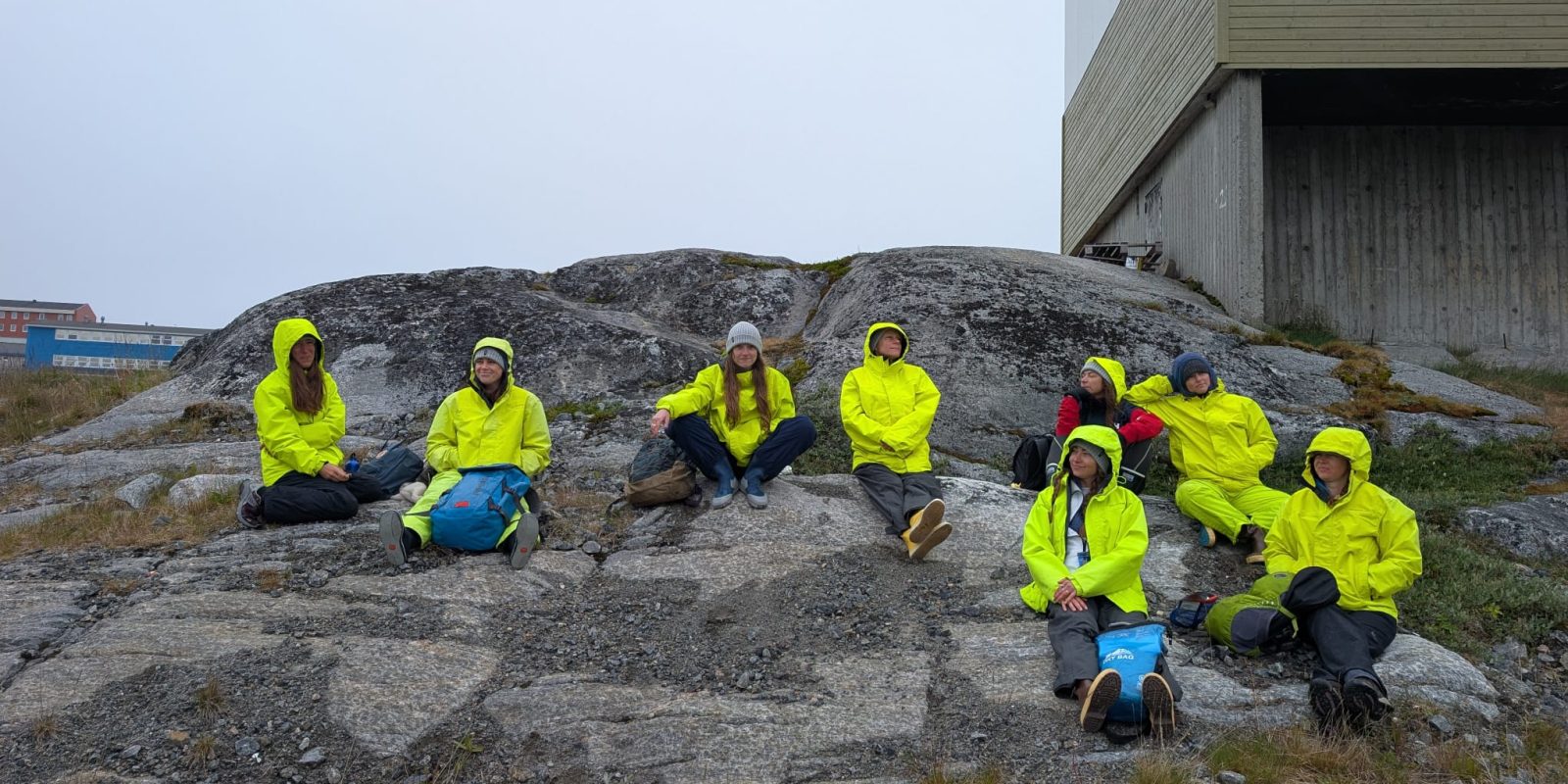
People ask me what it’s like living on a 72-foot sailing boat with fifteen women.
My answer?
Surprisingly easy.
Wonderfully funny.
Occasionally chaotic.
Always interesting.
Within a couple of days, we’d stopped worrying about how we looked.
Nobody cared.
Hair had become a fascinating science experiment of its own.
The same clothes appeared with reassuring regularity.
Make-up quietly disappeared from daily life.
And conversations became the real entertainment.
Not small talk.
Real conversations.
Health.
Families.
Climate.
Leadership.
Travel.
Purpose.
Life.
There is something about being surrounded by icebergs, whales and endless daylight that encourages people to skip the superficial and go straight to what matters.
One evening, I looked around the table and realised just how extraordinary this group was.
Amongst us were marine scientists, engineers, laboratory scientists, university lecturers, sustainability specialists, environmental campaigners, communications experts, entrepreneurs, business leaders, health practitioners and community changemakers.
Women from different countries, different generations and completely different walks of life.
Yet the moment we stepped on deck, those job titles quietly disappeared.
The engineer became my winching partner.
The laboratory scientists oversaw the trawling for microplastics.
The scientist reminded me to pump the head.
The communications expert was wrestling with waterproofs.
The business leader was trying to remember where she’d left her life jacket.
And I was busy deciding that perhaps my next career should be stand-up comedy.
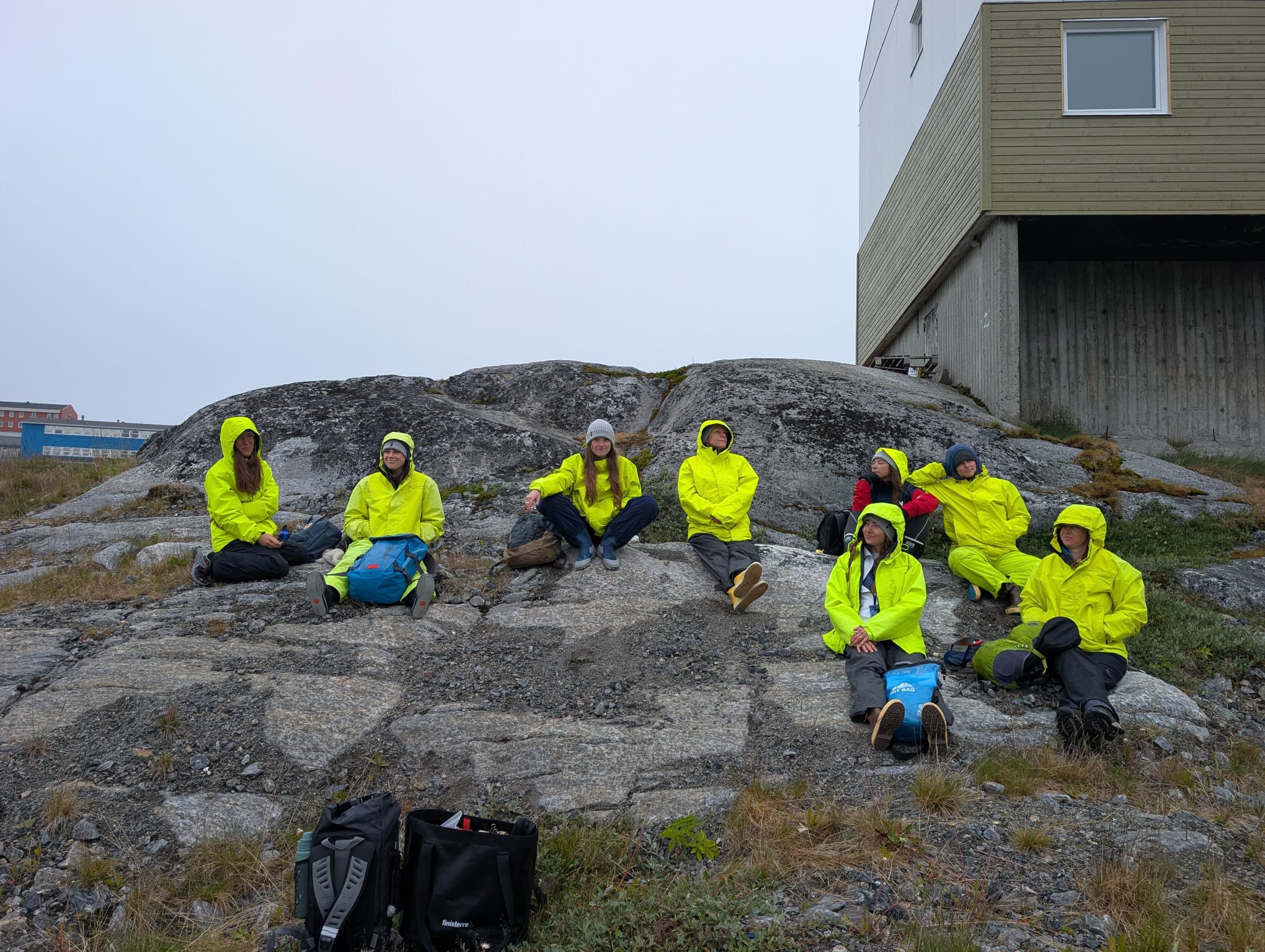
Photo credit: WINNIE COURTENE-JONES
There have been endless conversations, plenty of laughter and a wonderful sense that everyone is here for the same reason.
Not because we all have the same career.
But because we all care about the future of our oceans.
As someone who has spent much of my career working in health and prevention, I’ve found that incredibly inspiring.
Whether we’re trying to prevent chronic disease or understand how plastic pollution reaches one of the most remote places on Earth, the principle is remarkably similar.
You don’t wait until the damage is obvious.
You ask questions.
You gather evidence.
You work together.
You act early.
Standing on deck, watching Greenland drift silently past in all its breathtaking beauty, I realised this expedition isn’t just about microplastics.
It’s about people.
Fifteen women who may never have met under ordinary circumstances, brought together by curiosity, science, determination and hope.
I’ve learnt a lot.
I’ve laughed a lot.
And perhaps the biggest lesson of all?
If you put fifteen curious, kind, intelligent women on one boat with a shared purpose, their job titles become the least interesting thing about them.
