Back in 2019, I got the chance to sail on eXXpedition Round the World, sailing from Aruba to Panama through the San Blas Islands. We had warm weather, strong winds, and big waves. The crew met up in Aruba from all corners of the world with a clear mission: to conduct research on the presence of microplastics in the Caribbean and seek solutions to the growing plastic pollution crisis.
As we set sail from Aruba, dolphins greeted us at the bow. We sailed for days at a time, doing night watches fuelled by cups of tea to stay awake and hours of sharing life stories. The waves had us running up on deck for fresh air during cooking duty, we found our sea legs by the time we stepped foot in San Blas, and we snorkelled in beautiful waters. Sailing through remote islands with crystal-clear seas was such a treat, and they seemed so pristine.
And then we found lots and lots of plastic in every manta trawl sample, collecting the densest sample of the entire voyage, with more than 500 microplastics in a single trawl. We saw firsthand the plastic waste that washes up on the shores of remote islands, some of them even uninhabited. From lightbulbs to bottles, toothbrushes, shoes, and cutlery… you name it. We found absolutely everything. It was a heartbreaking moment and one of uncomfortable truth.
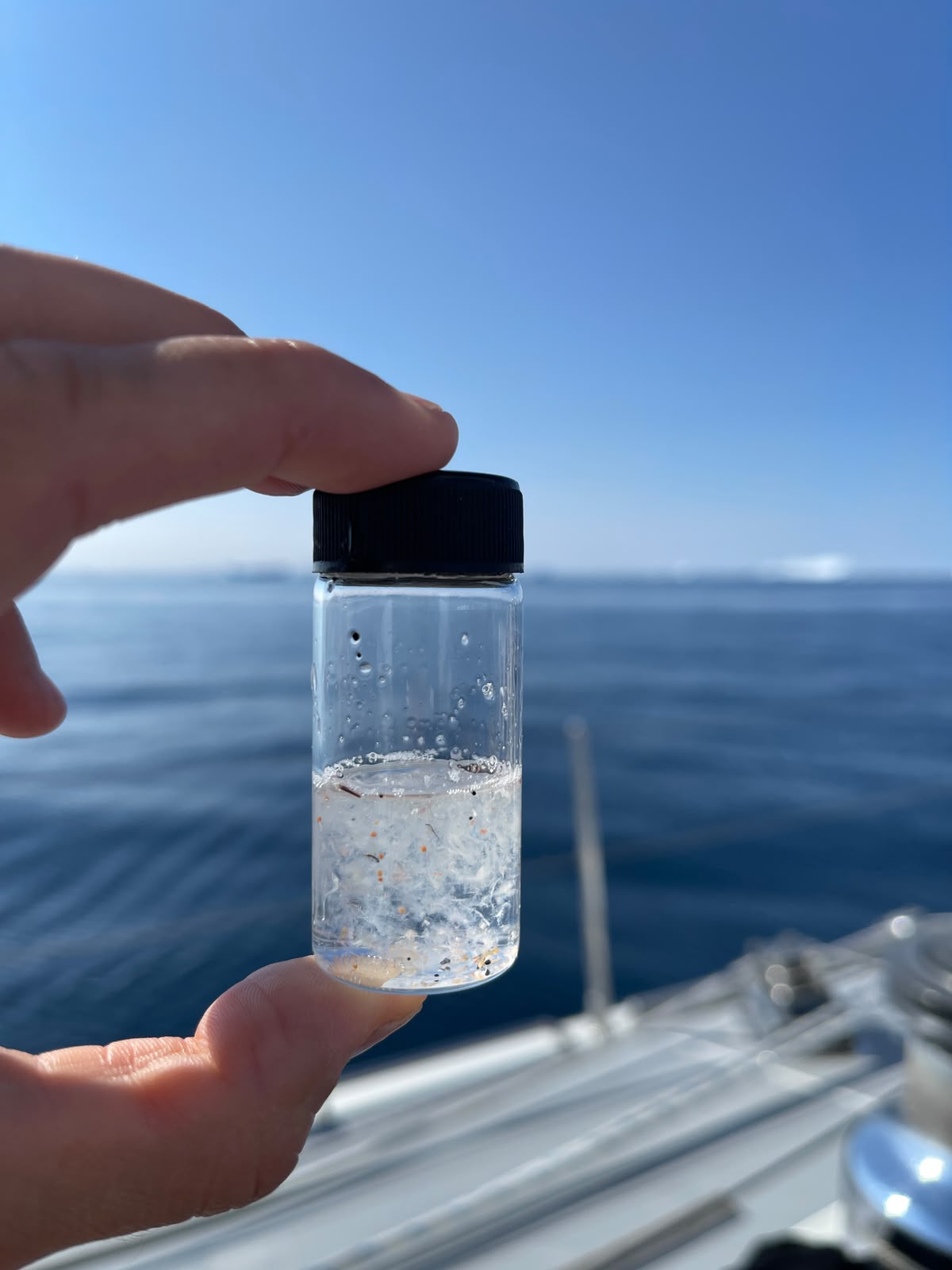
Photo credit: SOFIA NOGUÉS SEGURA
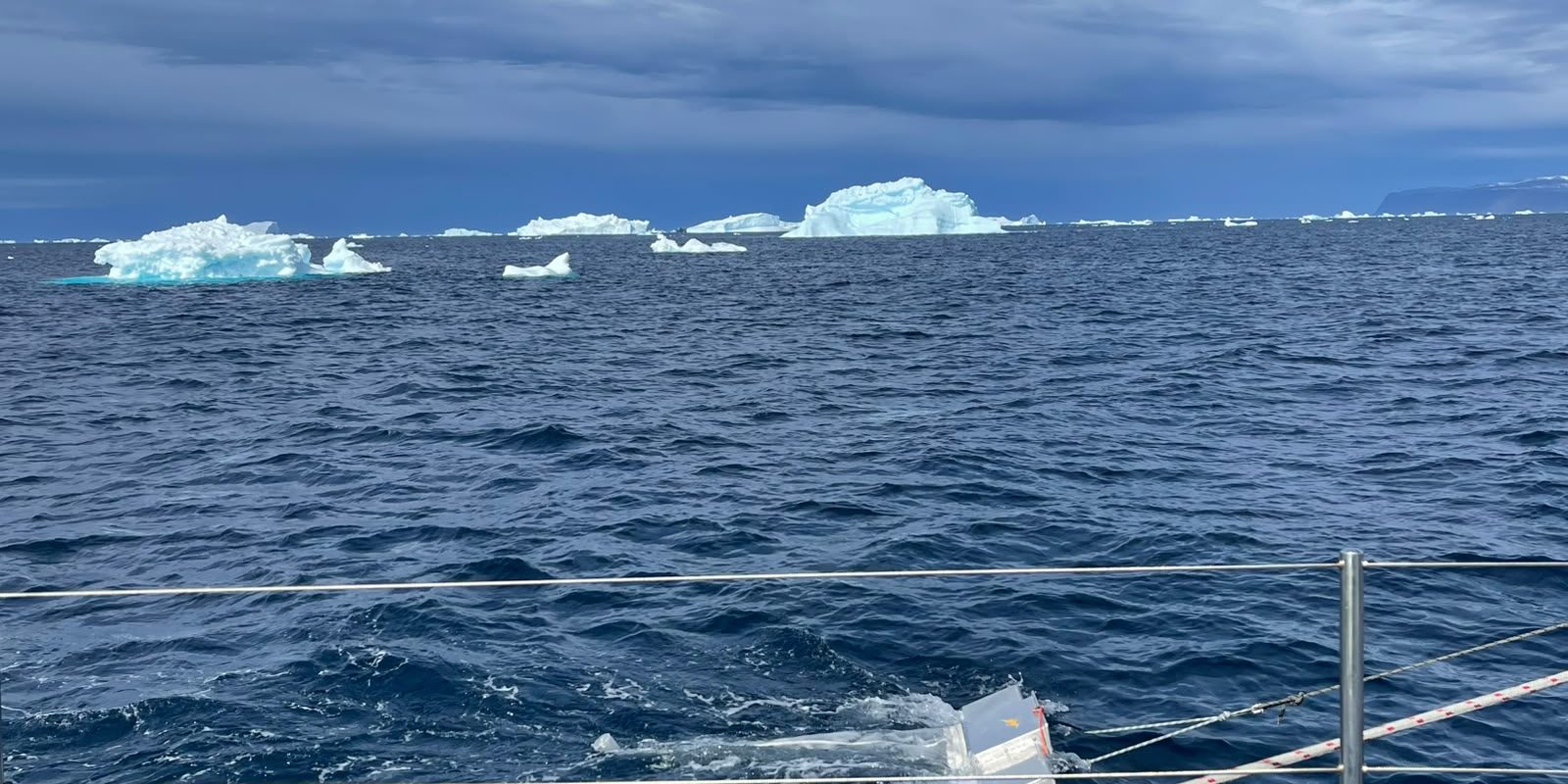
Fast forward seven years, and I’m with eXXpedition in the Arctic. Very different temperatures, very different scenery, and a very different sea. Once again, the crew comes from all corners of the world, with very different backgrounds but the same mission: to conduct research on the presence of microplastics in one of the world’s most pristine seas and seek solutions to the still-growing plastic pollution crisis.
So far, we’ve had very calm seas, barely any wind, and yesterday we even had a moment of being in short sleeves on deck, which made me reminisce about those days in the Caribbean for a second. (Sunscreen is still a must here, and we can’t go without sunglasses.) This combination is perfect for cooking duty, as we’re off the hook for seasickness during our shift. And we’ve had an upgrade in the galley—we’ve got an open-plan kitchen with a five-burner stove!
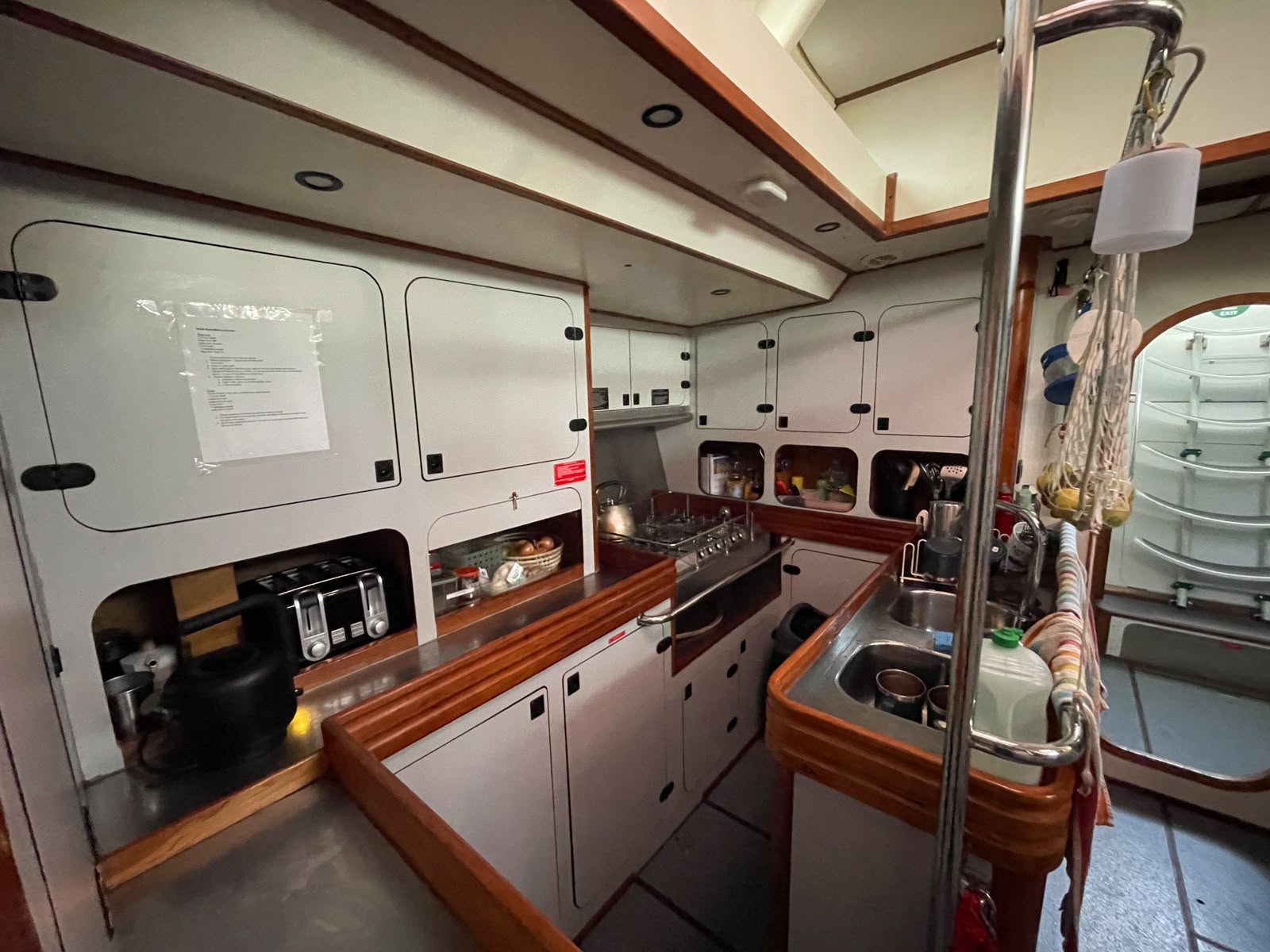
Photo credit: SOFIA NOGUÉS SEGURA
As we sail across this calm sea, seals pop up every now and then, and we’ve even seen a few whales during night watch. You might wonder how we could spot them during night watch… well, it doesn’t get dark. Night watch at 10 p.m. felt more like 3 p.m., and night watch at 3 a.m. was like sailing at dawn.
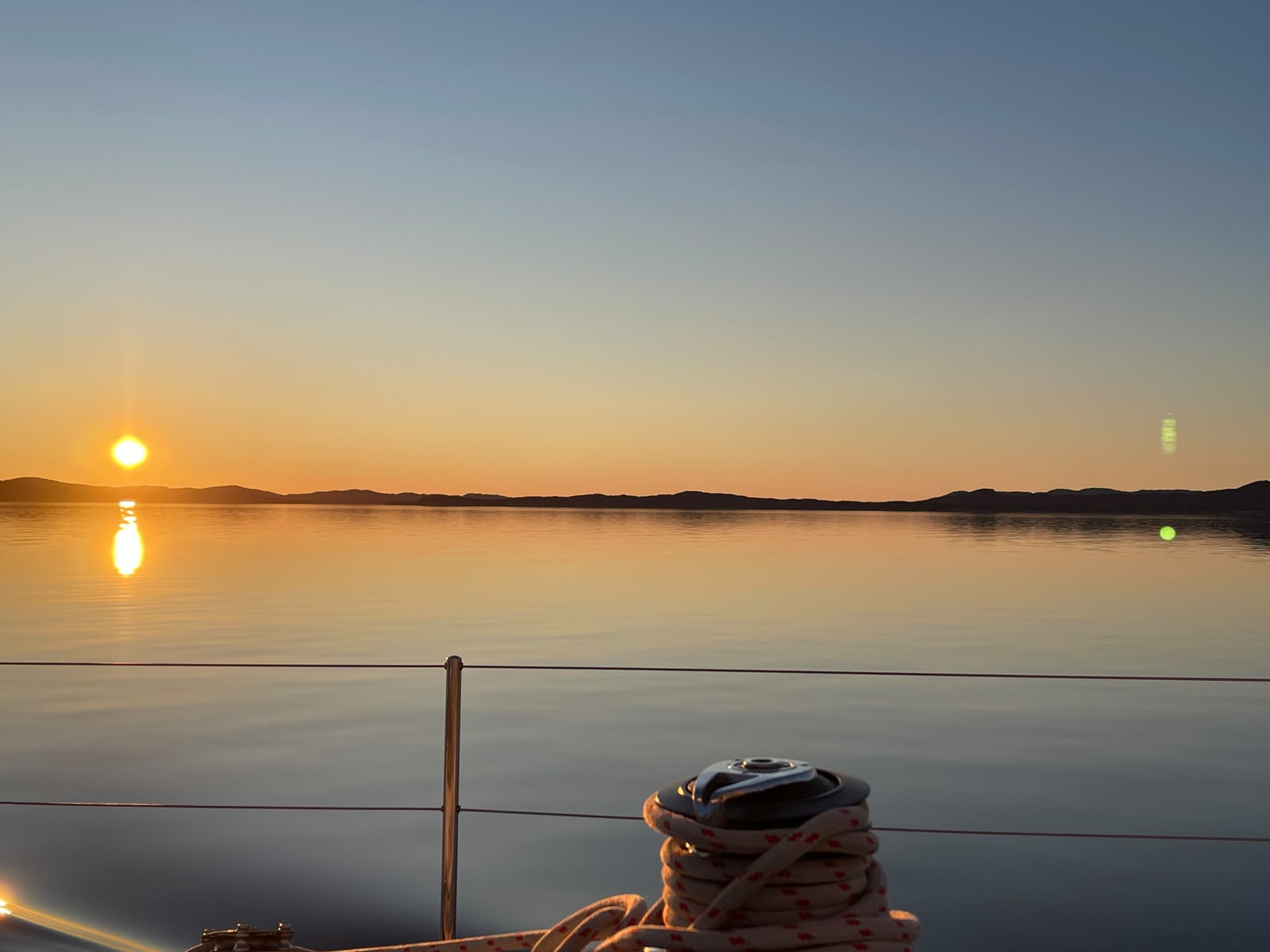
Photo credit: SOFIA NOGUÉS SEGURA
We’ve only spotted one plastic item floating in the open sea, and the manta trawls are picking up very few microplastics. This is a huge difference from what we found while sailing from Aruba to Panama. In these incredibly pristine waters, we’re finding fragments of fishing line in our manta trawl samples and other fishing gear washed ashore during our land-based sampling. However, plastic is still present, both at sea and on land.
As we spoke with researchers on the ground, we realised the challenges a region like Greenland faces in managing the plastic waste generated by imported goods. Like the Caribbean, Greenland is dealing with a problem it didn’t create. These single-use plastic items were produced hundreds or even thousands of miles away, without consideration for what would happen to them at the end of their life or the waste management resources available at their destination.
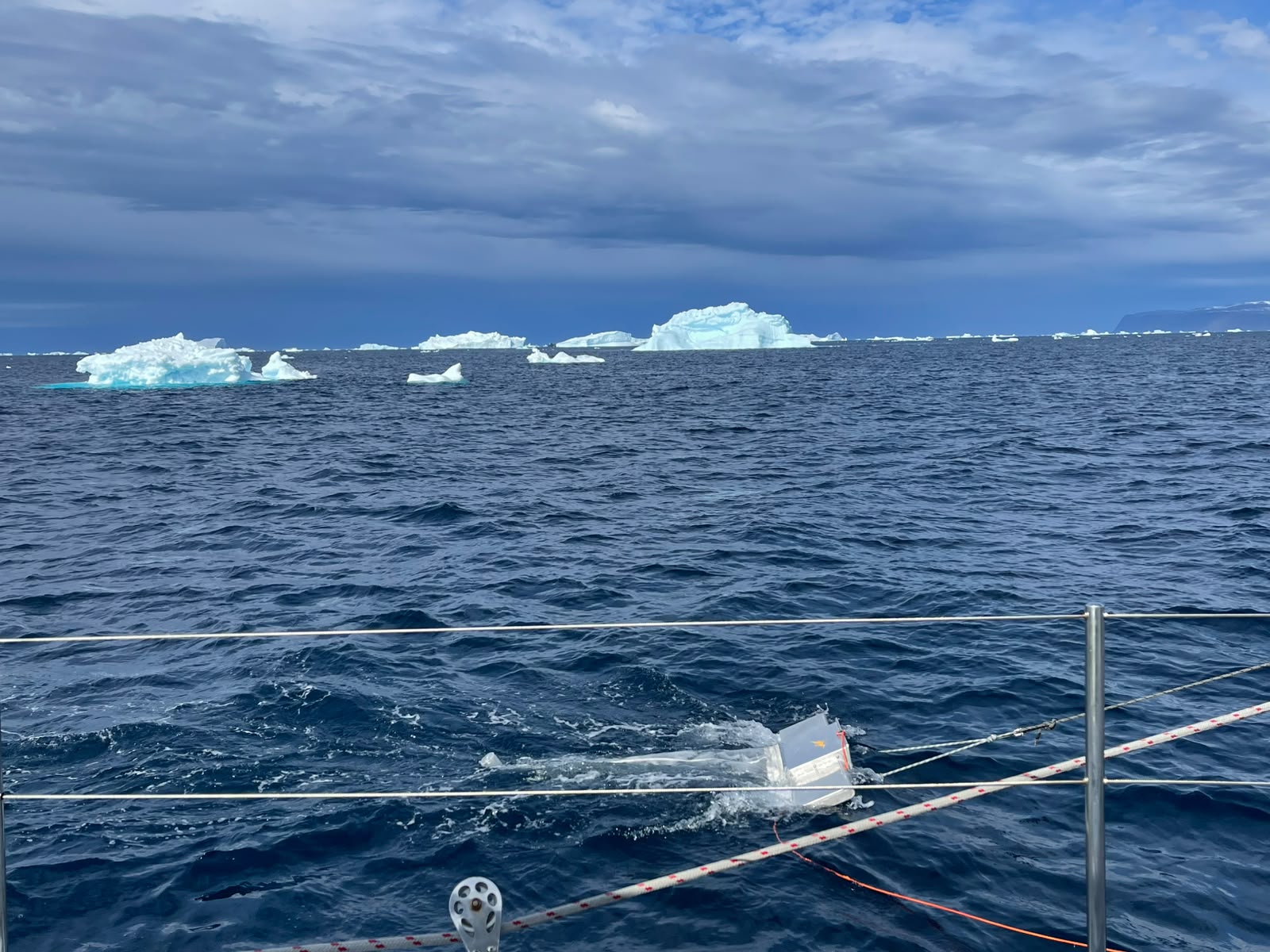
From 2019 in the Caribbean to 2026 in the Arctic, what I’ve seen is that every manta trawl sample we’ve collected in some of the world’s most pristine waters—whether in Greenland or the San Blas Islands—has contained microplastics. The plastic crisis has reached every corner of the world, even the most remote, and we need to keep raising awareness and seeking solutions.
